Search Results
9 results for “parrot screaming”

Why Does My Parrot Keep Screaming in the Morning?
Parrots often scream at dawn out of circadian habit, hunger after an early dinner, or fear of sudden noises and light. You can calm the behavior by leaving food and water overnight, covering the cage, reducing startling sounds, and providing companionship.
Parrot very agitated, screaming morning and night; stops when approached, resumes when leaving; resists touching and bites fiercely, never did this before
A parrot's agitation may stem from health issues, pain, or malnutrition. It can also be hormone-driven during breeding season, making it aggressive.

Why Does a Parrot Keep Screaming in the Morning?
Parrots often scream at dawn as part of their biological clock, out of fear, or because they wake up hungry and thirsty. You can reduce morning screaming by leaving food and water in the cage overnight, covering the cage with a dark cloth at bedtime, keeping the bird in a quiet spot, and providing companionship.

Why Parrots Suddenly Scream and How to Respond
Parrots scream for many reasons — natural dawn and dusk contact calls, attention, fright, learning new sounds, a broken routine, or a noisy room. Well-trained birds rarely shriek for no reason, so constant screaming signals a behavior, mood, or health problem; reward quiet, never reward the noise.
How to Train a Parrot to Be Quieter
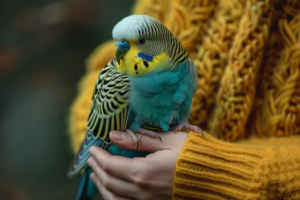
Parrot calls mean different things — morning flock contact, bored attention-seeking, or night danger. Cover the cage, fix meal times, ignore loud calls and reward quiet, and give toys.
Symptoms of Parrot Depression
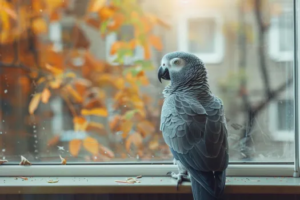
Depressed parrots show clearer signs than humans: dropping appetite, sudden aggression, frantic feather plucking (a severe signal), and louder, sadder screaming. Find the trigger — lost mate, neglect, confinement — and give more companionship.

Signs of Parrot Depression
Depressed parrots show dropping appetite, new aggression, feather-plucking (which can become a destructive habit), and changed vocalizations. Since they need companionship, spend time with them and provide toys or a companion bird to prevent it.
What is the parrot’s temperament like?
Parrots are emotional, irritable, and unpredictable; most are individualistic and resist approach when moody, sometimes screaming or biting. But they are very clingy flock birds; long neglect brings depression and feather-plucking.

Why Your Budgie Screams at Night and How to Stop It
Budgies are diurnal and normally settle down at night, so persistent screaming after dark usually signals stress, hunger, or a disrupted routine. Common triggers include fright, an off schedule, nighttime noise, and an unstable perch. You can quiet a noisy bird by fixing its light and quiet, offering food and water before bed, and using calm, consistent training.