Search Results
10 results for “parrot companionship”
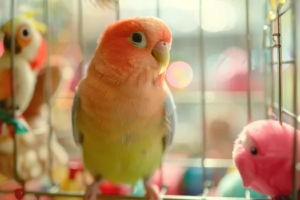
How to Train a Parrot to Talk: Methods and Tips
Teaching a parrot to talk is built on a real bond, the right timing, and patience — not an inborn skill. Train in the quiet of early morning when the bird is alert and hungry, start with simple greetings, reward progress with treats, and lean on a recorder on busy days; males often pick up words faster.

Why Does My Parrot Keep Screaming in the Morning?
Parrots often scream at dawn out of circadian habit, hunger after an early dinner, or fear of sudden noises and light. You can calm the behavior by leaving food and water overnight, covering the cage, reducing startling sounds, and providing companionship.
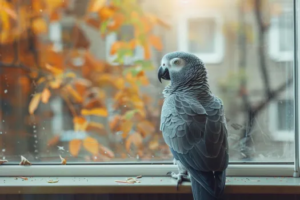
Symptoms of Parrot Depression
Depressed parrots show clearer signs than humans: dropping appetite, sudden aggression, frantic feather plucking (a severe signal), and louder, sadder screaming. Find the trigger — lost mate, neglect, confinement — and give more companionship.

Why Does a Parrot Keep Screaming in the Morning?
Parrots often scream at dawn as part of their biological clock, out of fear, or because they wake up hungry and thirsty. You can reduce morning screaming by leaving food and water in the cage overnight, covering the cage with a dark cloth at bedtime, keeping the bird in a quiet spot, and providing companionship.
Four Parrot Species Most Likely to Fly Away from Home
Parrots crave freedom. Keepers know they try to escape by prying the cage door with their beaks. Once out, you likely lose them forever, as most cannot find their way home. Our team introduces a few escape-prone species and how to prevent it.

Signs of Parrot Depression
Depressed parrots show dropping appetite, new aggression, feather-plucking (which can become a destructive habit), and changed vocalizations. Since they need companionship, spend time with them and provide toys or a companion bird to prevent it.

Why Do Parrots Get Depression?
Parrot depression shows as feather-plucking and irritability, harming the bird and risking head-banging. Common causes are boredom, anxiety, hormonal or environmental change, and mineral deficiency - all preventable with company, enrichment, and balanced diet.

Why Parrots Are a Poor Fit for Full-Time Workers
Parrots need companionship and enrichment; long alone hours in a small, monotonous cage lead to stress, depression, and feather-plucking. Full-time workers who cannot meet these needs should think twice, or keep a pair and enrich the environment.
What are the signs that a parrot is happy?
A happy parrot will hop around its cage, chirp cheerfully, fluff up its feathers, and even spread its wings and dance. When its owner approaches, it may fly over and vocalize pleasantly.

Is a Monk Parakeet Easy to Care For?
Monk parakeets are small, rounded, and endearing, with a gentle, adaptable nature that suits novice bird keepers, and they are strong talkers that can learn words and even songs with patient training. However, they are pricey, and their short intestines mean very frequent droppings—earning the nickname 'mobile poop machine'—so slightly moist food creates loose, messy messes that are hard to clean.