Search Results
171 results for “parasite control”

How to Treat Mite Skin Disease in Dogs
Mite skin disease keeps coming back because the mites live in the environment as much as on the dog. Treatment means medicating the affected spots, deep-cleaning the home, and boosting the dog's immunity—prevention through diet, parasite control, and limited contact with strays is what stops recurrence.
How do you treat a Poodle’s skin condition, and what medicines work best?
Treating a Poodle's skin condition starts with a vet skin scraping to identify the type — fungal, bacterial, parasitic, allergic, or endocrine. Treatment is then matched: antifungal ointment for fungus, antibacterial spray and oral meds for bacteria, parasite control for external parasites, antihistamines for allergic dermatitis, and gradual management for endocrine issues. Use an Elizabethan collar and keep the bedding clean.
I noticed scabs and hard lumps on my Toy Poodle’s belly skin while bathing it today — what’s going on?
Scabs and hard lumps on a Poodle's skin are often a parasite-driven skin condition: parasites cause bumps, intense itching leads to scratching, and broken skin forms scabs. Treat with a vet-recommended topical skin treatment, then apply a vet-recommended external parasite control to cure it and prevent recurrence.
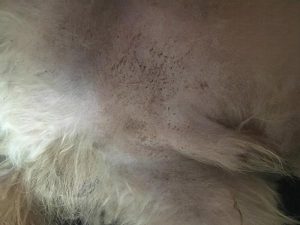
What to Use for a Dog With Itchy Red Dots
Widespread red dots with itching usually mean a parasitic skin disease that needs prompt care. Clip the fur, apply antifungal spray and ointment, then keep up external parasite control to stop it returning.

Autumn Care Tips for Your Dog
Autumn means more parasites, bigger temperature swings, coat change, and easy chills. Stay on top of internal and external parasite control, add a warm blanket and balanced nutrition, and keep a probiotic handy for loose stools.
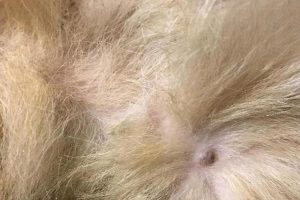
Why Your Dog’s Legs Are Itchy with Bumps
Itchy bumps on the legs often point to a parasitic skin disease, usually mites, and can spread over the whole body. Clip the fur, treat with antifungal spray and ointment, add vitamin B, then follow up with external parasite control.
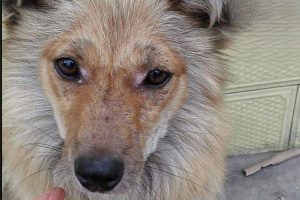
What to Do When Your Dog Has Ringworm on Its Face
Ringworm on a dog's face causes hair loss, itching, bumps, scabs, and redness, and spreads to other pets — isolate and collar the dog first. Disinfect, clip and treat the spot with antifungal spray and ointment, and add nutrition and parasite control.
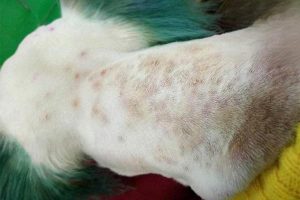
What to Do When a Two-Month-Old Puppy Has Skin Disease
A two-month-old puppy with skin disease needs prompt care — low immunity and contact with infected dogs are the usual causes. Tell fungal from parasitic types, then treat with antifungal spray and ointment and follow up with parasite control.

Autumn Pet Care: Three Essentials Your Pet Shouldn’t Miss
As temperatures drop in autumn, pets catch chills more easily and parasites stay active. Keep them warm, keep up parasite control, and stay on top of cleanliness to head off coughs, runny noses, and illness.

How Much Does It Cost to Keep a Cat Each Month?
Most of a cat's monthly cost goes to food and preventive care — kibble, vaccines, and parasite control — with litter, toys, and the odd treat on top. A typical adult cat runs about $30–45 a month, and preventing illness is far cheaper than treating it.