Search Results
10 results for “pancreatic lipase”

Which Cats Are Prone to Pancreatitis?
Any cat can develop pancreatitis, but some are clearly more vulnerable. Genetics play a role, with breeds like Persians, Siamese, and Maine Coons at higher risk. Obesity is another major factor, since overweight cats strain their pancreas far more than lean ones. Diet also matters: fatty foods, too many artificial additives, and table scraps all burden the pancreas and invite inflammation. Certain medications such as long-term aspirin, morphine, or tetracycline, and viruses like feline infectious peritonitis, can also trigger the disease. Prevention centers on strict weight control, high-quality food, and never dosing a cat without veterinary guidance. Watch for appetite loss, vomiting, or diarrhea and seek care early; diagnosis uses blood pancreatic lipase tests, ultrasound, or cytology, and treatment combines medication, diet management, and sometimes hospitalization.
Why Dogs with Pancreatitis Need Prescription Diet Food
Pancreatitis makes the pancreas digest itself when digestive enzymes activate too early, causing severe pain and inflammation. Treatment pairs medication with a low-fat prescription diet that eases the pancreatic workload — fat is held under 10%, uses easy-to-absorb medium-chain fatty acids, and adds antioxidants and omega-3s to aid healing. Always follow your vet's choice, since formulas vary with complications like diabetes or kidney disease.

What Every Dog Owner Should Know About Pancreatitis
Canine pancreatitis happens when digestive enzymes activate too early and the pancreas essentially digests itself, causing severe inflammation. Rich human food, obesity, toxins, and certain breeds raise the risk, and moderate-to-severe cases can be fatal. This guide covers causes, the telling 'praying' posture, diagnosis with pancreatic tests, treatment, and diet-based prevention.
Feline Acute Pancreatitis: Symptoms and Care
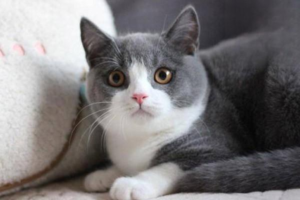
Feline acute pancreatitis happens when pancreatic enzymes activate inside the gland and digest the organ itself, causing swelling, bleeding, or necrosis. Cats show vomiting, anorexia, dehydration, and abdominal pain, and are managed with fasting, antiemetics, pain control, fluids, and a low-fat diet.

What Causes Pancreatitis in Cats?
Feline pancreatitis is one of the most common cat illnesses, striking obese and senior cats most often and frequently traveling with bowel and bile-duct inflammation as a 'triaditis.' It starts when the pancreas digests itself through activated enzymes, and repeated vomiting with no food can slide into dangerous fatty liver, so veterinary care should not wait.

How to Diagnose and Treat Pet Pancreatitis
Diagnosing pet pancreatitis needs pancreatic-enzyme tests, upper-abdomen CT, and a complete blood count. The earlier it is diagnosed, the easier to treat. Acute and chronic pancreatitis differ in treatment. Here is how to diagnose and treat pet pancreatitis.
What is a cat’s digestive tract like?
A cat's gut includes the stomach, small intestine, and large intestine. The stomach stores and begins digesting food; the small intestine (duodenum, jejunum, ileum) is the main site of digestion and absorption; the large intestine absorbs water and forms stool.
How to Care for a Dog with Pancreatitis
Pancreatitis is a high-risk digestive emergency, especially common in overweight middle-aged and senior dogs, and it often returns even after recovery — so proper home care matters as much as treatment. During a flare-up, withhold food and water immediately and see a vet; never self-medicate. After discharge, feed a prescription diet under 10% fat (regular food is 15–20%+), split into 4–6 small meals, and strictly avoid all high-fat foods such as fatty meat, organ meats, fried food, and rich treats. Keep your dog warm to protect the abdomen, allow only gentle short walks, follow the medication plan exactly, and return for regular pancreatic checks. Controlling weight is the best prevention — obese dogs are over three times more likely to develop pancreatitis.

What Is Pancreatitis in Cats?
Pancreatitis is inflammation of the pancreas, the organ that makes digestive enzymes and insulin. When those enzymes activate in the wrong place, they digest the surrounding tissue and cause serious illness. Cats may show poor appetite, lethargy, diarrhea, vomiting, and belly pain. The disease can be life-threatening, especially in older or weak pets, and may become chronic or trigger diabetes. Treatment centers on fluids, antibiotics, and anti-vomiting care, often in hospital.

Acute Pancreatitis in Dogs and Cats
Acute pancreatitis is sudden inflammation of the pancreas caused by its own digestive enzymes attacking the gland, with edema, bleeding, and necrosis. It causes sudden upper-abdominal pain, vomiting, and shock; treatment rests the pancreas, controls pain and infection, and corrects fluids.