Search Results
65 results for “pale gums cat”
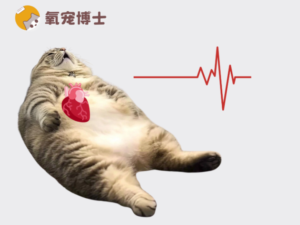
What Is a Normal Heart Rate for a Cat?
A healthy adult cat's heart rate is 120–160 beats per minute (kittens up to ~200; seniors and large breeds 140–160). Measure it via the inner foreleg pulse or a stethoscope over the left chest when the cat is calm. Persistently fast, irregular beats with coughing or low exercise tolerance can mean heart disease (e.g., hypertrophic cardiomyopathy); seek a vet if the resting rate stays above 180 or below 100.

When Your Cat Drinks a Lot — A Kidney Warning Sign
Frequent drinking and large urine are often the first sign of falling kidney function in cats, later joined by appetite loss, weight drop, ammonia-smelling breath, and pale gums from anemia. Early detection and vet care can slow this progressive disease and extend life.
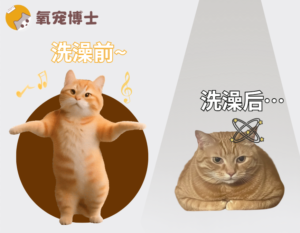
My Cat Is Lethargic After a Bath — What to Do
A cat that's lively before a bath but limp and motionless after is usually having a stress response — most cats hate water, and the tension spikes heart rate and blood pressure, burning energy they then recover by lying still (with hiding, over-grooming, low appetite, or shivering). Dry and warm it, give a quiet dim room and a pheromone spray, and watch; if vomiting, diarrhea, or no eating beyond 24 hours appears, see a vet.
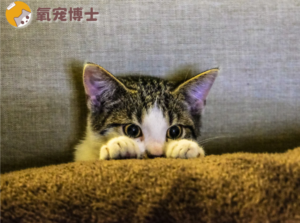
Helping a Cat Through Moving Stress
After a move a cat may hide, pant, stop eating, or even develop feline idiopathic cystitis from stress. Set up a quiet 'safe base' with its familiar bed, toys, and scent, run a synthetic pheromone diffuser, and speak and pet gently without forcing it out. If it refuses food and water over 24 hours, vomits, strains to urinate, or breathes fast with pale gums, see a vet — adapting can take 1–2 weeks.
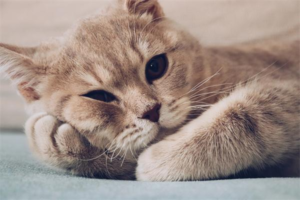
How to Tell If Your Cat Has Internal Bleeding
Signs include lethargy, poor appetite, and less activity; severe cases show vomiting or passing blood. Internal bleeding can be silent, so only a vet check (X-ray, ultrasound, stool test) confirms it. After any fall or blow, watch closely — even with no symptoms, a hard fall from height warrants a vet visit.

What to Feed a Cat With Anemia
Anemic cats benefit from iron- and protein-rich foods, red meats such as beef, lamb, and salmon, organ meats like chicken, duck, or pork liver, and seafood such as tuna, shrimp, and mackerel, plus vitamin B12 and folic acid to support red-blood-cell production. For severe anemia, vet-prescribed iron supplements or liver-support tonics may be needed.

Why Does Your Cat Eat but Stay Thin? (Worms and More)
A cat that eats well but stays thin is often fighting intestinal parasites—roundworms, tapeworms, hookworms, giardia, or coccidia—that steal nutrients and release toxins interfering with digestion, causing slow or lost weight, anemia, and poor growth. Tell-tale signs include soft stools, rice-like segments near the anus, scooting, pale gums, and a swollen belly. But worms are not the only cause: poor absorption, hyperthyroidism or diabetes, repeated heat cycles, or a low-protein diet can also keep a cat lean. The fix is a tailored deworming plan plus gut probiotics and high-protein meals; spaying helps if heat is the driver. See a vet if weight keeps dropping.
Two Ways to Protect Your Cat from Parasites
Parasites can pass from cats to people, so take them seriously. Spot them by symptoms like poor coat, pale gums, lethargy, and visible worms in stool or around the anus, and by checking bedding. Prevent by keeping cats indoors, cleaning the home against fleas and ticks, feeding balanced food, and applying topical dewormer every three months, dropped on the skin not the fur.

How to Tell If Your Cat Has Parasites
Kittens often get parasites from mother's milk; adults pick up eggs or infected prey. Knowing the warning signs lets you act early. External parasites are visible: itching, hair loss, lice clinging to skin, white flea eggs, and black specks (flea dirt) that turn red in water—which also hints at tapeworm, since fleas host it. Internal parasites show as dull coat, pale gums (anemia), tarry stool, vomiting, appetite loss, swollen belly, lethargy, or visible worms/segments in stool. See an online vet or clinic for a test.

Why Is Your Dog’s Gum Pale? Don’t Ignore It—It Could Signal These Illnesses
A healthy dog's gums are pink and refill quickly after a light press. Pale or whitish gums often mean the body isn't getting enough oxygen—usually because of anemia or an underlying chronic disease. The causes range from nutritional and blood-loss anemia to kidney or liver problems and infections. Because pale gums can point to something serious, they deserve a prompt check rather than guessing at home.