Search Results
41 results for “overgrown teeth”

Why Rabbits Grind Their Teeth and How to Help
Teeth grinding is normal for rabbits because their teeth never stop growing — and if they grow too long they can pierce the jaw and kill. Plenty of coarse hay and chew items wear them down, and an overgrown set needs a vet to trim.
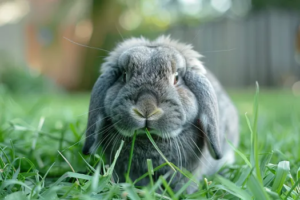
What to Do When Your Rabbit’s Teeth Are Too Long
Rabbit teeth never stop growing, so overgrowth is common and harmful. Check for sharp points, yellowing, or nose and eye discharge, then have a vet trim them and offer timothy hay and chew sticks at home.

Why Do Rabbits Grind Their Teeth (and How to Manage It)?
A rabbit's teeth never stop growing, so constant chewing is natural, but overgrown teeth cause pain, eating trouble, and even eye or ear infections. Provide chew toys and hard pelleted feed, and have a vet trim teeth that grow too long.
My newly bought rabbit won’t eat or drink and keeps its mouth open showing lower teeth—what is wrong?
A rabbit not eating or drinking and breathing with an open mouth has many causes: respiratory disease like pneumonia, upper-respiratory infection, or sinusitis, with sneezing, runny nose, and red eyes; dental problems like overgrown, misaligned, or decayed teeth cause pain and refusal to eat; or other issues like digestive, liver, or heart disease. See a vet if it continues with other signs.
What can hamsters use to grind their teeth?
Hamsters can grind their teeth on apple-branch sticks, mineral stones, nuts, or grinding food. Most hamsters love chewing apple branches because they have a mild sweet taste, little moisture, and are very durable.

When Should a Rabbit Start Chewing (Teeth Filing)?
Rabbits generally need to start chewing around 2-3 months old, once their teeth are fully grown; without it, the front teeth keep growing and can cause chewing trouble or even eating problems. Overgrown teeth can pierce the gums and lead to infection. Offer safe chew toys or untreated natural wood (apple twigs, willow, corn cob), and have a vet trim them if they get too long.

Mouth Ulcers in Rabbits
Rabbits with mouth ulcers develop small blisters, red swollen gums, drooling, and bad breath, and the pain makes eating difficult. Softening the diet, keeping the mouth clean, and offering chew toys to wear down overgrown teeth all help the ulcers heal. Because a rabbit's teeth grow continuously, unchecked overgrowth can lacerate the oral tissue and trigger the ulcers in the first place.
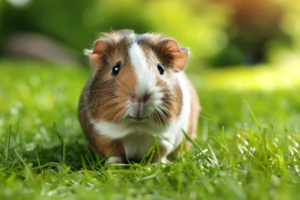
What to Do If Your Hamster Ignores the Mineral Chew Stone
Hamsters rarely fancy plain mineral stones, but chewing matters — overgrown teeth hurt feeding. This guide covers scenting the stone, picking the right stone, and alternative chews.

Why Is Your Rabbit Drooling? Causes and What to Do
Rabbit drooling usually signals stomatitis or another mouth problem rather than normal behavior. Common causes include vitamin deficiency, rough or sharp food, and overgrown teeth. This guide explains the causes and how to clean the area, adjust the diet, supplement vitamins, and treat the mouth.
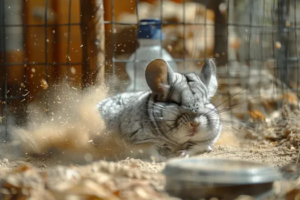
Why Is Your Guinea Pig Not Eating? (And What to Do)
A guinea pig that stops eating usually has overgrown teeth, indigestion, or illness. Trim or file long teeth, ease digestion with a small-pet digestive aid and rest, and if diarrhea, drowsiness, or vomiting appear, see a vet promptly.