Search Results
830 results for “outdoor”

Pseudemydura umbrina (Western Swamp Turtle)
The Western swamp turtle (Pseudemydura umbrina) is one of Australia's smallest turtles; males have a 155 mm shell and weigh 550 g, while females reach 135 mm and 410 g. Its coloration varies with age and habitat, and it is listed as Critically Endangered.
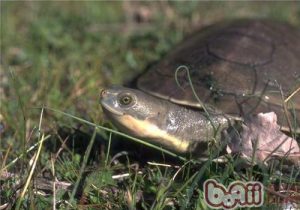
Emydura australis (Australian Big-headed Turtle)
The Australian big-headed side-necked turtle is carnivorous and lives in shallow water, aestivating in pond mud during the dry season. In the wild it consumes large numbers of mosquito larvae, making it beneficial to people, though it is rare and its trade is strictly controlled.

Northern Australian Snapping Turtle
The Northern Australian Snapping Turtle (Elseya dentata) is active from April to October, foraging along the bottoms of waterways in warm months. If its habitat dries up, it migrates over land to permanent water or burrows into mud to estivate; remarkably terrestrial, many are killed crossing roads.
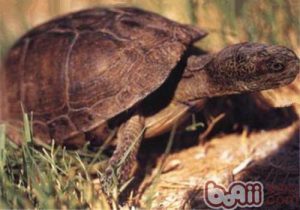
Coahuilan Box Turtle
The Coahuilan Box Turtle (Terrapene coahuila) is an uncommon box turtle that adapts poorly to captivity compared with its eastern relatives. Its plain, unpatterned shell makes it less popular among keepers.
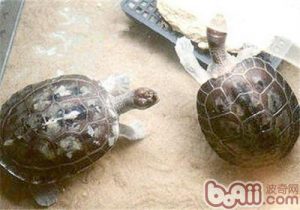
Painted Terrapin
The Painted Terrapin (Callagur borneoensis) is a distinctive member of the painted turtle genus whose carapace resembles a watermelon, with a red streak across the head. Distributed in Malaysia and Indonesia, it is a large, carnivorous, brackish-water turtle that must be kept in low-salinity water.
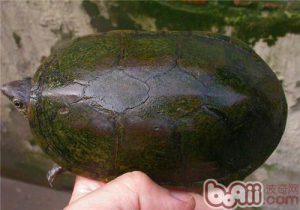
Oaxaca Mud Turtle
The Oaxaca Mud Turtle (Kinosternon oaxacae) is a type of mud turtle that aestivates in summer, burying itself in mud to cool down—hence its name. Living in slow-moving rivers, it hunts fish and shrimp in the water and is an omnivore that leans carnivorous.
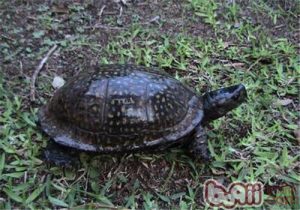
Gulf Coast Box Turtle
The Gulf Coast Box Turtle (Terrapene carolina major) is the largest subspecies of the Common Box Turtle, found along the U.S. Gulf Coast bordering Mexico. A typical omnivore reaching up to 18 cm in carapace length, it grows quickly and is relatively easy to keep.

FlemishGiant
The Flemish Giant is the largest domesticated rabbit breed in the world, originally from Belgium and recognized by the American Rabbit Breeders Association in seven coat colors. A gentle, docile, and hearty-eater companion that needs generous space and meticulous hygiene, it weighs 6–13 kg and lives around 5–8 years.

Frostbite in Dogs and Cats
Frostbite is tissue injury from prolonged cold, most often on the tail, ears, paws, and penis. It causes redness, then bluish swelling, and in severe cases skin or even bone death. Rewarming and preventing infection are the main goals.

Strychnine Poisoning in Dogs and Cats
Strychnine (nux vomica) poisoning in dogs and cats causes sudden, severe nerve excitation. Affected pets become hyper-sensitive to sound and light, develop muscle twitching, seizures, and a rigid arching of the spine, and may die from respiratory paralysis. Immediate, calm veterinary care is essential.