Search Results
6 results for “organic fertilizer”
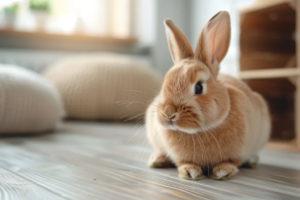
What Are the Advantages of Fermented-Bed Rabbit Farming?
A fermented bedding system mixes and breaks down rabbit waste on the spot, cutting odor, saving feed and water, and suppressing pathogens and parasites. The end product doubles as a high-grade organic fertilizer or roughage, and the dry, no-cleanup setup lowers disease rates. It's an efficient, low-input, eco-friendly husbandry method.

Why Does Fish Tank Water Turn Green?
Green tank water is something most fish keepers run into. Without knowing the exact cause, frequent water changes alone won't fix it and the problem keeps coming back. Here is why tank water turns green and what harm it does.
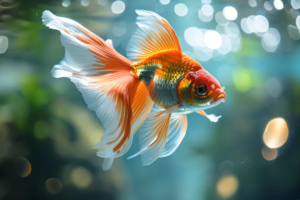
What to Do When Your Fish Tank Water Turns Green
Many fish keepers have seen their tank water turn green. This is usually caused by an overgrowth of green and brown algae, which crowds out plants and fish, absorbs oxygen, and can even release toxins. Here is how to fix it for good.

Why Did My Aquarium Water Turn White? What to Do
Milky water is usually biological (from overfeeding, unsterilized live food, or poor cleaning letting protozoa boom) or limestone turbidity (from unwashed gravel shedding lime). It clouds the tank, presses out beneficial nitrifying bacteria, stresses fish, and can smell. Fix it by more frequent water changes and cleaning, a UV sterilizer, stronger filter media, added beneficial and nitrifying bacteria or enzymes, and for lime, dilute with water changes, use potassium fertilizer, or add a clarifier and siphon the settled matter.

Large Mudskipper
The Large Mudskipper (Boleophthalmus pectinirosris) is a warm-water intertidal fish from China's coastal regions that hops across mud using its pelvic fins. It is solitary, burrow-dwelling, breathes through skin and tail, and is not hard to keep. It is also used as food.

Can Cats Eat Grass? Benefits, Risks, and Growing Cat Grass
Many cats nibble grass, and it isn't necessarily a problem — grass can supply folic acid and fiber and help with hairballs. The real risks come from lawn chemicals and toxic houseplants. Here is the safe way to offer it.