Search Results
287 results for “oral ulcers”

Canine Adenovirus Type II Infection
Canine adenovirus type II infection causes infectious laryngotracheitis and pneumonia in dogs, with persistent high fever, cough, serous or mucoid rhinitis, tonsillitis, laryngotracheitis and pulmonary signs.

What Is Canine Parvovirus Infection
Canine parvovirus infection is a viral infectious disease caused by canine parvovirus, characterized by hemorrhagic enteritis or non-suppurative myocarditis. It spreads quickly and has a high mortality rate.
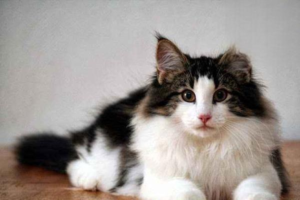
Cat Stomatitis: Symptoms and Treatment
Stomatitis, also called chronic gingivitis or stomatitis complex, generally shows gum overgrowth and swelling, bad breath, drooling and chewing difficulty, severely causing anorexia. The oral mucosa is red and inflamed; severe cases inflame the throat.

Canine Ehrlichiosis (Canine Rickettsiosis)
Canine ehrlichiosis, also called canine rickettsiosis, is an acute or chronic infectious disease of canids caused by Ehrlichia. Its main features are high fever, jaundice, vomiting, progressive emaciation and severe anemia.

Symptoms and Treatment of Canine Infectious Hepatitis
Canine infectious hepatitis is an acute, contagious septicemic infectious disease caused by canine adenovirus type I. Its main features are fever, jaundice, leukopenia and hemorrhagic centrilobular hepatic necrosis. This article explains its symptoms and treatment.

Clinical Manifestations of Canine Nocardiosis
Canine nocardiosis is a zoonotic infectious disease caused by Nocardia, characterized by focal suppuration and necrosis of the skin, limbs and internal organs. This article explains its clinical manifestations.

Feline Histoplasmosis
Feline histoplasmosis is an intracellular fungal infection, usually limited to the respiratory and digestive tracts, characterized by cough, diarrhea, emaciation and mucosal ulcers. This article explains its symptoms and treatment.

Is Bad Breath Normal During Cat Teething? How to Fix It
Bad breath in a teething cat (around 5–6 months) is not normal — at this age kidney disease or tartar is rare, so the cause is usually trapped food from retained or slow baby teeth, gum inflammation from bleeding sockets, or gut upset from fast or mixed feeding. Fix it by starting gentle brushing, watching for retained teeth (pull them), and feeding small frequent soft meals with probiotics.

How to Handle Severe Bad Breath During Dog Teething
Severe breath in a teething dog is uncommon — usually it means retained baby teeth, low calcium or vitamin B, or poor oral hygiene. Check for adult teeth with baby teeth still in (a double row) and see a vet; clean with a finger and saline, not adult toothpaste; give a soft chew stick to loosen baby teeth and aid cleaning (skip if the gut is weak, and pick soft sticks since dog enamel is 1/5 human); and add calcium, phosphorus, vitamin D, and B via tablets or carrot and banana.

Does Dog Teething Cause Heavy Drooling?
Drooling and a little bleeding in a teething dog are normal — new teeth constantly stimulate the salivary glands, and an unsteady bite from growing teeth adds drool. Watch for a retained baby-tooth double row and have it pulled after teething. Also note calcium shortage (shaking, drooling, double rows, even lameness if severe — add shrimp, kelp, tofu, calcium tablets) and mouth issues from messy diet or poor hygiene (ulcers, stomatitis, red gums, odor — clean after meals, brush 2–3 times a week, add B and E vitamins).