Search Results
287 results for “oral ulcers”

White Fuzz on Your Turtle’s Neck: Shedding or Water Mold?
White fuzz on a turtle can be normal shedding or a sign of water mold disease. If the fuzz has a clear texture with no soft rot, it is likely shedding—just give more sunlight. If fuzz appears on multiple areas and looks rotting, it is probably water mold and the turtle should be isolated and treated. The root cause is usually overcrowding and polluted water; prevent it with good nutrition, wound care, and regular water changes.

Why Is Your Dog Suddenly Drooling a Lot? 4 Causes to Watch
Dogs pant to cool off, so some drool on a hot day is normal. But sudden, heavy salivation in normal temperatures can signal trouble. The causes worth flagging are oral disease, poisoning, heatstroke, and neurological problems, with severe kidney or liver disease and even rabies as grave possibilities. Teething, car sickness, or excitement explain milder cases. When drooling pairs with collapsing, seizures, or suspected toxin exposure, head to the vet at once.
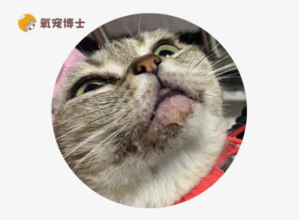
Why Do Cats Get Stomatitis?
Feline stomatitis is a painful, chronic, immune-driven inflammation of the mouth—not just sore gums. Calicivirus and autoimmune disease are the usual triggers, while other viruses, plaque, breed, stress, and poor nutrition add risk. Because it hurts to eat, cats waste away, so finding the cause matters; for stubborn cases, full-mouth extraction often brings lasting relief.

What Happens When a Cat Lacks Vitamin C
Long-term lack of vitamin C gives a cat scurvy: low spirit, poor appetite, anemia, weight loss and easy bleeding or skin inflammation. As it worsens, gums swell and bleed, wounds heal poorly, and in severe cases cheeks and tongue ulcerate or die back, with joint pain and bleeding in the bladder, gut, kidney or nose. Treat with oral or injected vitamin C plus symptomatic care, and prevent it with a balanced, complete diet, since processing destroys much of the vitamin in food.

How Feline Chlamydial Pneumonia Develops
Feline chlamydial pneumonia is a highly contagious but uncommon cat disease, well covered by routine vaccination, so regularly vaccinated cats rarely catch it. It spreads through eye, nose and mouth secretions on shared bowls, cages or hands, and by sneezing. It starts as conjunctivitis and, left untreated, can advance to fever, pneumonia and infections of the airways or reproductive tract. Antibiotic eye ointment and oral antibiotics clear it, but recovered cats still carry and shed the organism, so isolation matters.
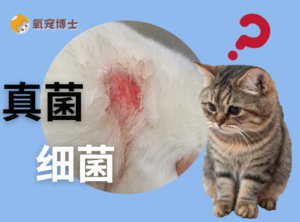
Cat Skin Redness and Hair Loss: Fungal or Bacterial?
A cat's skin normally carries small amounts of bacteria and fungi that only cause trouble when the skin barrier breaks. Fungal infection, usually Microsporum canis, shows as ring-shaped hair loss with a red raised edge and dry scales, and spreads slowly. Bacterial infection is usually secondary—after a scratch, bite, mite, or allergy—and appears as pustules and fast-growing ulcers. Telling them apart guides the right treatment.

What Causes Malocclusion in Rabbits?
Malocclusion, or misaligned teeth, is a common rabbit dental disease with congenital and acquired forms; most cases are acquired from poor management. Rabbit teeth grow continuously, so they must wear them down by eating coarse fiber like grass. Without enough chewing, teeth overgrow and slip out of alignment. Overlong teeth can cut the lips, tongue, and cheeks, cause painful refusal to eat and mouth ulcers, and in severe cases the roots may pierce into the nasal cavity, eye socket, or jaw, forming abscesses. Prevent it with regular dental checks and plenty of hay for wear.

Pritchard’s Turtle
Pritchard's turtle (Mauremys pritchardi) is a Geoemydidae turtle found in China and Japan. Its looks blend the Chinese pond turtle and the yellow pond turtle, and some researchers believe it is a natural hybrid — though that is not officially recognised.

Feline and Canine Eosinophilic Granuloma Complex: Symptoms, Treatment, and Care
Eosinophilic granuloma complex is a group of allergic skin lesions in cats and dogs, causing ulcers, plaques, or linear nodules on the lips, thighs, or mouth. The exact cause is unknown, and treatment controls inflammation and prevents infection.

Nasal Planum Depigmentation in Dogs and Cats: Symptoms, Causes, and Care
Nasal planum depigmentation is the partial or complete loss of pigment on a dog's or cat's nose, ranging from a small patch after trauma to full depigmentation from hormonal or autoimmune disease. Treatment targets the underlying cause and prevents secondary infection.