Search Results
392 results for “open mouth”
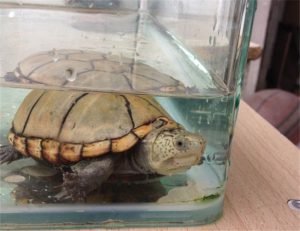
Kinosternon alamosae (Alamos Mud Turtle)
The Alamos mud turtle lives in aquatic-rich habitats and unique ponds, retreating into mud to aestivate during dry periods. In the wild it eats insects, small shrimp, and other invertebrates, and is a shy turtle that withdraws into its shell when threatened.
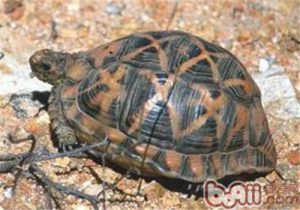
Tent Tortoise
The Tent Tortoise (Psammobates tentorius), also called the tent star tortoise, is a small, heat- and drought-tolerant tortoise that prefers plant food. Keeping it is fairly demanding, though a few individuals can be found in the pet trade.
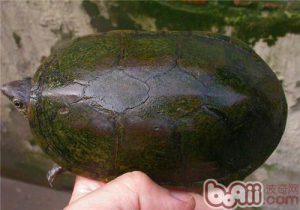
Oaxaca Mud Turtle
The Oaxaca Mud Turtle (Kinosternon oaxacae) is a type of mud turtle that aestivates in summer, burying itself in mud to cool down—hence its name. Living in slow-moving rivers, it hunts fish and shrimp in the water and is an omnivore that leans carnivorous.

Travancore Tortoise
The Travancore Tortoise (Indotestudo travancorica) closely resembles the Burmese Star Tortoise in appearance and shares its preference for a dry habitat. Though sometimes considered a subspecies of the Burmese tortoise, this has never been confirmed; it is a shy, inactive tortoise suited to simple husbandry.

Toad Poisoning in Dogs and Cats
Toad poisoning occurs when dogs or cats bite toads or lick toad eggs, skin secretions, or venom on wounds. Signs include heavy drooling, vomiting, irregular heartbeat, and seizures. Immediate flushing of the mouth and urgent veterinary treatment are critical.

Barbiturate Drug Poisoning in Dogs and Cats
Barbiturates used for sedation, sleep or seizure control can depress the brain and heart when overdosed, causing drowsiness, low blood pressure and, severely, coma and breathing failure. Removing the drug and a specific antagonist are the main steps.

Nitrite Poisoning (Methemoglobinaemia) in Dogs and Cats
Nitrites convert red blood cells' oxygen-carrying pigment into methaemoglobin, so tissues are starved of oxygen. Poisoned pets turn blue, seize and can die within minutes; a specific dye antidote reverses it.

Trigeminal Nerve Paralysis in Dogs and Cats
Trigeminal nerve paralysis leaves the eye, upper, and lower jaw branches partly or fully numb, causing lost corneal reflex, a dropped jaw, protruding tongue, and difficulty eating. Tumors, abscesses, inflammation, distemper, contusion, or B-vitamin deficiency can be responsible.

Feline Hypertrophic Cardiomyopathy: Symptoms, Treatment, and Prevention
Feline hypertrophic cardiomyopathy (HCM) is a frequently inherited heart-muscle disease in which the ventricular walls thicken and filling is impaired. Many cats show no early signs, then suddenly develop breathing distress, weakness, or sudden death from stress or arterial obstruction.

Hydrothorax (Pleural Effusion) in Dogs and Cats: Symptoms, Treatment, and Prevention
Hydrothorax is a non-inflammatory fluid buildup in the chest that compresses the lungs and causes breathing difficulty. It usually signals heart disease or another systemic problem, and is treated by draining the fluid and managing the cause.