Search Results
392 results for “open mouth”

German Shorthaired Pointer
The German Shorthaired Pointer, a versatile all-purpose gun dog from 18th-century Germany, excels on land and water. Friendly, intelligent, and eager to please, it makes both a tireless hunting partner and a devoted family companion.

Cane Corso
The Cane Corso is a powerful Italian mastiff from Sicily, descended from an ancient Roman war dog. Fiercely loyal and brave yet gentle with family, it is an outstanding guard dog that needs firm obedience training from puppyhood.

BeardedCollie
The Bearded Collie is a medium-sized Scottish herding dog with a long, falling coat and a cheerful, intelligent nature. Friendly and active, it is a playful and devoted family companion.

Kuvasz
The Kuvasz is a large, powerful white livestock guardian from Hungary, dating to the 13th century. Despite its size it is gentle with people, especially children, and makes an excellent companion and protector.

Finnish Spitz
The Finnish Spitz, also called the Finnish Fox Dog, is a hunting breed from Finland developed in the late 18th century. Resembling a fox with its pointed muzzle, erect ears, dense coat, and curled tail, it is gentle, calm, loyal, and brave.

Wirehaired Pointing Griffon
The Wirehaired Pointing Griffon is a medium-sized, versatile hunting dog originally from Czechoslovakia, developed in the 19th century. Known as an excellent gun dog, it is affectionate, easygoing, and deeply devoted to its family.

Pomeranian
The Pomeranian is a tiny, fox-faced spitz dog originally from Germany, known for its fluffy double coat and bold, lively personality. It makes an affectionate and entertaining companion.

How to Effectively Treat Turtle Pneumonia
Turtle pneumonia needs prompt isolation and warmth (28–30°C). Mild to moderate cases get antibiotic baths and oral syringing; severe cases need intramuscular ceftriaxone. Dry-dock severe cases and give glucose fluids to avoid dehydration.
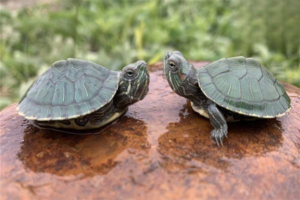
What Causes a Turtle to Float?
A floating turtle may have pneumonia, gastroenteritis, malnutrition, or simply enjoy floating. Pneumonia and enteritis bring other signs like open-mouth breathing or vent discharge, while malnutrition needs a better diet.
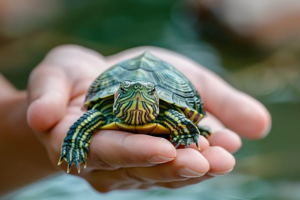
How to Tell Why Your Turtle Is Floating
A turtle can float for normal reasons — a new tank, water too deep, or just preference — not only illness. Abnormal patterns like side-floating, tail-only floating, or floating with lethargy point to pneumonia or enteritis.