Search Results
392 results for “open mouth”

Why Dogs Pant Heavily
Panting is usually a dog's normal way of cooling down — they have almost no sweat glands and rely on rapid breathing to shed heat. But panting with no clear trigger, especially in cold weather, can signal fever, respiratory disease, or other serious illness.

Why Dogs Pant with Their Tongues Out in Summer
Dogs can't sweat except through their tongues, so panting is how they dump heat — and flat-faced breeds overheat fastest. Heatstroke is lethal within minutes, so cool a overheating dog with lukewarm water and rush to the vet.
Feline Stomatitis: The Complete Guide
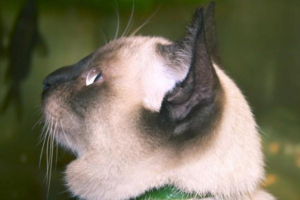
Feline stomatitis is a painful, relapsing inflammation of the whole mouth — gums, oral mucosa, and pharynx — driven by an over-active immune response to plaque and viruses like calicivirus. Signs run from foul drooling and weight loss to a cat that stops grooming and hides in pain; treatment pairs steroids and antibiotics with dental cleaning, and extracting the premolars and molars resolves or greatly eases symptoms in roughly two-thirds of cats.

How to Tell If Your Cat Is Sick
A sick cat hides its discomfort, so the earliest clues are changes in sleep, litter-box habits, appetite, weight, coat, and water intake. Red flags such as vomiting, diarrhea, labored breathing, a head tilt, or straining to urinate need a vet, and routine checks also catch fleas, hairballs, hyperthyroidism, diabetes, and urinary disease.
How to Care for Newborn Kittens
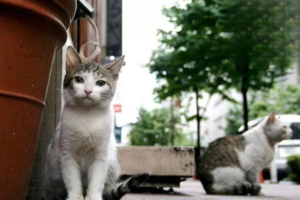
A newborn kitten with no mother is fragile and will not survive without help: keep it warm, get milk replacer into it fast, and stimulate it to relieve itself. Watch for dehydration and diarrhea, shield its young eyes from bright light, and start vaccines and deworming by two to three months.

Cat Chin Acne (Feline Folliculitis): Symptoms and Treatment
The "black chin" is feline folliculitis — overactive sebaceous glands clogging the pores, essentially the same as human acne. Most cases are mild and clear up with saline wipes, a diet lower in oil, and swapping plastic bowls for ceramic or stainless steel; neutering also helps by steadying hormone levels.
Kitten Cold: Symptoms and Care
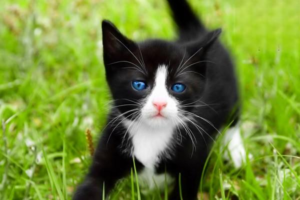
Kitten colds move through three stages — early (dry warm nose, mild sneezes, normal appetite), middle (low energy, red eyes, fast breathing, thick discharge), and late (eye and nose crusting, mouth ulcers, fever) — and can mimic panleukopenia or rhinotracheitis, so don't delay. Warmth, nutrition, and vet-approved meds (never human pills) are the plan, with vaccination as prevention.

Does an Indoor Dog Still Need Brushing?
Even a dog that never goes outside needs its teeth brushed—food debris between teeth breeds bacteria and builds plaque that leads to bad breath, gum disease, and infection. Start around six months with a pet toothbrush and fluoride-free pet paste, and keep it gentle so brushing stays a positive routine.

Getting Your Dog Used to Toothbrushing
Most dogs resist brushing, so build the habit slowly: first let it accept your hand on its teeth with treats, then use dog-formulated toothpaste and a soft touch, rewarding each side. Dental chews and water additives help, but they don't replace brushing.

How to Recognize the Symptoms of a Cat Cold
A cat cold brings red, weeping eyes, nasal congestion, drooling, sneezing, and fever up to 40°C — signs that overlap with feline rhinotracheitis and distemper. Mild cases improve with warmth, good nutrition, and pet-formulated antibiotics, while severe or dehydration cases need a vet.