Search Results
298 results for “onion”
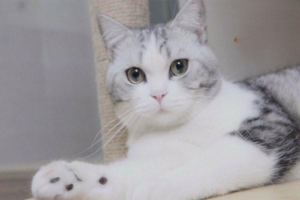
A Practical Guide to Feeding Stray Cats
Feed strays clean, labeled kibble with 25%+ protein rather than cans or human food, which can be toxic (onion, grapes, chocolate). Use two clean containers in a quiet, hidden spot, and clear leftovers after a few hours to avoid waste and attract trouble.

Is the Poodle Easy to Keep? How to Raise One Properly
Poodles are smart, loyal, and low-shedding but need real care: varied food beyond kibble, daily brushing, monthly grooming, and limited jumping to protect their prone joints. Feed measured meals, avoid toxic foods, and keep up training and hygiene.

What a Pomeranian Must Not Eat
Keep Pomeranians off expired or toxic food, raw meat (salmonella and E. coli), small sharp bones, leftovers (pancreatitis, too much salt), and strong irritants like onion, garlic, and chocolate. Feed lean meat, kibble with veg, and add calcium, fish oil, and lecithin.

A General Guide to Feeding Pets
Good feeding means deworming on schedule (from about 2 months, then every 3–6 months), picking food that fits the pet instead of sharing yours, and never giving chocolate or onion, which can poison and cause gut disease.

Foods That Can Kill or Harm Your Dog
Many common foods are dangerous for dogs — some fatal. Never feed cooked bones (especially chicken/duck), too much liver (vitamin A toxicity), onions/garlic (blood-cell rupture, bloody urine), or chocolate. Also avoid grapes, certain fruits, risky veggies, raw egg/meat, dairy, and high-salt or high-sugar foods; keep alcohol, coffee, and tea away entirely.

What Dog Food Is Best for a Beagle
Beagles thrive on age- and body-type-appropriate kibble rather than the priciest brand, since the right nutrient balance matters more than the label. Kibble should make up at least 90 percent of the diet, with treats and extras filling the remaining 10 percent.

Foods a Pomeranian Must Never Eat
Pomeranians are prone to pancreatitis and toxicity from common human foods. Chocolate, milk, alliums, cooked bones, spicy seasonings, raw meat, table scraps, and hard-to-digest seafood can cause anything from anemia to intestinal perforation — keep them all off the menu.

How to Feed a Kitten: Schedule, Diet, and Foods to Avoid
Kittens need frequent small meals of quality kitten food — at least three a day under six months — with fixed times and a clean, quiet spot to eat. Never give cow's milk (most cats are lactose intolerant), cooked bones, chocolate, grapes, onions, or raw meat and eggs; switch to adult food gradually over 5 to 7 days around the first birthday.

Hidden Traps in Your Cat or Dog’s Diet (Part 2)
Two diet traps to watch: vegetables and snacks. Never feed onion, garlic, mushrooms, or soybeans, keep veggies under 25% of the diet (cats are carnivores), blanch and purée them, and favor cooked cruciferous types. For snacks, pick reputable brands that supply missing vitamins/minerals, avoid permeable packaging that spoils in storage, and treat them as supplements — not the main diet.

Foods Cats Can and Cannot Eat
Cats beg for human food, but several common items are toxic — avocado, onions and other alliums, and chocolate or caffeine can cause anything from anemia to fatal poisoning. Safe choices include carrot, cucumber, broccoli, certain fruits, salmon, and chicken breast, which add fiber, vitamins, and quality protein to a meat-based diet.