Search Results
586 results for “old dog nutrition”

What to Give a Dog with Tracheitis
Tracheitis is a common canine respiratory disease and is curable if treated — but uncontrolled it can be fatal. Cough with phlegm responds to a vet-formulated expectorant paired with a cough remedy; add a cold remedy if sneezing appears, and keep the dog warm.

Autumn Care Tips for Your Dog
Autumn means more parasites, bigger temperature swings, coat change, and easy chills. Stay on top of internal and external parasite control, add a warm blanket and balanced nutrition, and keep a probiotic handy for loose stools.
My dog is due for its next deworming, but now it has a cold — should I still give the dewormer?
It's not advised to give a dewormer while the dog has a cold — a cold means lowered resistance and a fragile state, and deworming should wait until the dog is fully healthy to minimize harm. Treat the cold first (a vet-recommended canine cold medicine) and boost nutrition during recovery, then deworm on schedule afterward.

Why Is Your Dog Coughing on and Off?
Intermittent coughing splits into harmless (a stuck item) and illness (seasonal cold, kennel cough, parasites, even heart trouble). Match the pattern — and see a vet for anything long-lasting or recurring.

Why Is Your Dog Panting Rapidly with a Trembling Belly?
Rapid breathing with a shaking belly can be normal — after exercise, in heat, or from excitement — or a sign of illness such as a respiratory infection, pneumonia, or heart trouble. Match the pattern to the cause; see a vet for pneumonia or heart disease.
What to Do When Your Dog Has Ringworm on Its Face
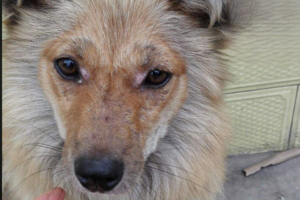
Ringworm on a dog's face causes hair loss, itching, bumps, scabs, and redness, and spreads to other pets — isolate and collar the dog first. Disinfect, clip and treat the spot with antifungal spray and ointment, and add nutrition and parasite control.

What to Do When a Two-Month-Old Puppy Has Skin Disease
A two-month-old puppy with skin disease needs prompt care — low immunity and contact with infected dogs are the usual causes. Tell fungal from parasitic types, then treat with antifungal spray and ointment and follow up with parasite control.

How to Prevent Your Dog from Catching a Cold
Most dog colds come from chills — wet fur, seasonal swings, air conditioning, or drafts — and a few from viruses. Warm bedding, avoiding drafts, and staying away from sick dogs and dirty places cover nearly all of it.

What to Do When Switching Dog Food Causes Diarrhea
If a food change triggers diarrhea, stop the switch immediately — most cases come from an abrupt transition rather than the new food itself. A 7-day mix-in transition lets the gut adjust gradually and prevents the upset.

Pet Skin Diseases (Part 1): Parasitic and Fungal Infections
Skin disease is common in dogs and cats and tends to flare up and recur, usually because their skin defenses are weak and their surroundings are full of triggers. The two hardest types to clear are external-parasite infestations (fleas, lice, mites, ticks) and fungal infections (ringworm); both cause intense itching, hair loss, and skin damage and need treatment of both pet and environment. Since they are contagious and slow to resolve, early veterinary care and consistent parasite control are the keys to recovery.