Search Results
586 results for “old dog nutrition”

How to Care for Your Dog in Autumn
Autumn's cool, dry, changeable weather feels great to us but asks for a few adjustments in dog care. Fatigue from summer, dropping temperatures, and dry air all affect a dog's body, coat, and digestion. A few simple habits around food, grooming, exercise, and disease prevention keep your dog comfortable through the season.
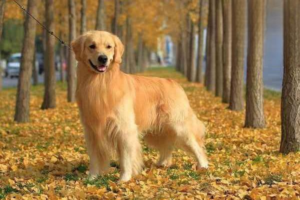
What to Do When Your Golden Retriever Has Arthritis
In damp or cold weather, a Golden Retriever with arthritis may whine when joints ache, shy away if the sore spot is touched, and lick or chew at the painful joint. Arthritis is common in large breeds like Goldens, but it can be managed. Weight control, gentle movement, and the right joint support make daily life easier.
Why Does Your Dog Fart So Much?
All mammals pass gas - it is normal. But frequent, smelly farts can signal declining health. Seven common causes: overeating treats or cold drinks causing indigestion; too little exercise slowing the gut; eating too fast swallowing air; abrupt diet changes upsetting gut bacteria; excess meat protein fermented into amines (the real stink source); gas-producing foods like ginger, garlic, sweet potato and potato; and poor constitution where fermentation finishes too fast. Most are fixed by portion control, exercise, slow feeding and gradual diet changes.
Why a Dog’s Nose Changes Color
A healthy dog's nose is usually cool and moist, and a warm, dry nose alone doesn't prove illness—waking, hard exercise, heat/cold exposure, or old age do the same. Real fading comes from: age (pink as a pup darkens, then lightens in seniors as tyrosinase and melanin drop); illness or heat (returns after); season—'snow nose' in winter, returning with warmth; trauma (pink while healing); poor nutrition (low melanin); genetics/Dudley nose (permanent, harmless); allergy (contact dermatitis from plastics/metal—use glass/stainless); bacteria (swelling, crusts—vet); and vitiligo (immune, white patches, harmless). Protect a pink nose from sun; see a vet for bloody, foul discharge with weakness.
Why Has My Dog Suddenly Gone Quiet and Calm?
A dog that is normally playful but suddenly turns quiet and still may simply be in a low mood, or it could be telling you something is wrong. The shift often comes from four situations: feeling down, adjusting to a new environment, being unwell, or pregnancy in a female dog. Because quiet behavior can mask illness, owners should weigh the context and watch for other signs like changes in appetite or stool. This guide explains each reason so you can respond with comfort, patience, or a timely vet visit.
Treating a Dog’s Vomiting from a Cold
When a dog vomits due to a cold or viral infection, treatment focuses on relieving fever, fighting secondary infection, and good nursing. Fever above 39°C can be eased with a mild injectable analgesic-antipyretic such as Bupleurum injection, dosed by size. Secondary bacterial infection is treated with penicillin or other antibiotics like cephalosporins or fluoroquinolones, preferably by injection. Keep the sick dog warm and well-nourished.

Are Small Dogs Easier to Feed?
Many owners assume small dogs are easier to feed because they eat less, but small breeds actually need more nutrients per bite and are fussier. They grow up faster, have quicker metabolisms, and burn through energy, so they need dense, highly digestible food given in small, frequent meals. Their tiny stomachs and narrow guts can't hold much at once, and low fat and sugar reserves put them at risk of hypoglycemia. Choose quality meat protein, enough fatty acids, and antioxidants, plus some grains to steady blood sugar.

Dog Food Safety: Harmful Foods to Keep Away from Your Dog
A healthy dog starts with a safe, balanced diet. The single most important rule is to keep harmful foods out of your dog's bowl. Certain everyday items—sharp cooked bones, too much animal liver, onions and garlic, chocolate, and allergenic seafood—can damage your dog's digestive tract or even prove toxic. Cooked bones can tear the stomach or intestine; excess liver causes vitamin A poisoning; alliums trigger the destruction of red blood cells; chocolate's theobromine is dangerous in quantity; and seafood often sparks allergic diarrhea. Learning these common dietary taboos helps you protect your dog from acute poisoning, internal injury, and chronic health issues, and keeps mealtime both safe and nutritious.
What happens if a dog has intestinal worms?
Intestinal worms cause abdominal pain, soft stools, diarrhea, frequent vomiting, poor appetite, steady weight loss, malnutrition, anemia, and a rough, dull coat. With a heavy load you may see worms or segments in the stool. Deworm regularly — monthly for puppies under 1 year, every 2–3 months for adults — and avoid raw food.

Common Old-Age Diseases in Dogs
Dogs are seniors from about seven years, showing grey fur, clouded eyes, weaker hearing, slower movement and lost teeth, all normal aging. But the risk of heart disease, joint trouble and mouth disease also climbs. Aging hearts can cause fluid buildup and breathlessness, a fading pancreas can bring obesity and diabetes, joints stiffen, eyes cloud with cataracts, coats thin, and tartar and gum disease appear. Adjust diet to avoid excess calories and keep weight down to protect joints and metabolism.