Search Results
586 results for “old dog nutrition”

How to Prevent Dog Flu (Canine Influenza)
Canine influenza is a contagious respiratory disease in dogs caused by an influenza A virus. It does not infect people but spreads by contact; a vaccine only lessens impact, so supportive care and isolation of sick dogs are key.

Dog Allergic Rhinitis: Symptoms and Treatment
Dogs get allergic rhinitis much like people, but with their keen sense of smell the reaction to irritants can be stronger. This article covers the symptoms and how to manage them.

What Causes Acute Enteritis in Dogs and What Are the Signs?
Acute enteritis comes from bad food, chills, antibiotic overuse, or infections and parasites. Signs are diarrhea, vomiting (sometimes with blood), mucus stool, fever, and dehydration. Withhold food 24h, give fluids, and treat the root cause.
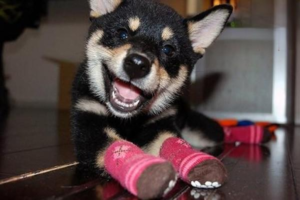
What Happens When a Dog Is Malnourished Long-Term?
Long-term malnutrition shows as thinness, anemia (pale eyes and pads), dry corneas (vitamin A), bleeding gums (vitamin C), poor bone growth (calcium), and a dull coat (protein). Add the missing nutrients and see a vet to correct the root cause.
Why Won’t Your Dog Gain Weight?
A dog that stays thin is usually fighting internal parasites, under-eating, has poor gut absorption, eats low-quality food, or is a picky eater. Deworm on schedule, portion correctly, fix the gut with probiotics, and choose meat-rich food to help it gain healthily.

Why Does a Dog Urinate a Lot and Often?
Excessive, frequent urination can come from higher water intake or hormone shifts, or from urinary disease and diabetes. This guide covers the common causes — drinking habits, urinary disease, diabetes, and endocrine disorder — and how to respond.

What Kind of Dog Food Is Best for Your Dog?
Pick dog food by age, meat source, kibble size, and individual need. Puppies and seniors do well on light poultry recipes; active dogs benefit from beef or lamb; fish supports coat health. Match kibble size to breed and choose functional formulas for allergies, weight, or gut care.

Common Causes, Symptoms and Treatment of Pet Colds
Pets catch colds easily — usually from chills (season changes, baths, drafts, rain, cold floors) or low resistance. A plain cold can worsen into something serious, so treat it early. Never give human cold medicine (acetaminophen is toxic to dogs and cats); use pet-specific drugs. Learn the warning signs that separate a cold from pneumonia, rhinitis, feline herpesvirus (cat flu) or distemper.
Why Do Dogs Develop Pica?
Pica is when a dog eats non-food items, from one favorite object to all sorts of odd things. Causes include stress, poor diet, parasites, disease, or puppy curiosity. Understand the causes to prevent it.

Can Dogs Get Rhinitis, and How to Tell?
Dogs do get rhinitis from many causes, primary or secondary. Judge it by runny nose, nose scratching, and red mucus. Here are the symptoms, causes, and treatments.