Search Results
374 results for “old dog care”
Can a 7-Year-Old Care for a Dog?
By age seven, children can grasp that dogs have feelings and need gentle care, but real responsibility takes maturity. Parents should weigh the cost, time, and long-term commitment (dogs can live 18 years), then ask the child honest questions about why they want a dog and the daily duties. Teach kids the 'be a tree' stance against aggressive strange dogs.
CoQ10 for Dogs and Cats: A Heart-Health Supplement Guide
CoQ10 is a key nutrient for heart-muscle cells and a staple for senior pets and breeds at risk of heart disease. Yet the market is messy—under-dosed, over-claimed products are common. This guide covers who benefits from CoQ10, what to look for on the label, why yeast-fermented source and combined antioxidants (including taurine for cats) matter, and the feeding rules and cautions every owner should know. CoQ10 supports care but never replaces prescribed heart medication.

Why Is Your Dog Coughing Without Producing Phlegm
A dry, hacking cough in dogs can stem from many sources, some harmless and some serious. Common causes include respiratory infections, bronchitis, tracheal collapse, kennel cough, parasite infection, and allergies. Some cases ease on their own, but a cough driven by illness needs prompt treatment to avoid worsening. Because the exact cause depends on the individual dog, observe the full picture and consult a veterinarian if you are unsure. Meanwhile, keep the living space clean and limit contact with other dogs to reduce spread and irritation.

Do Dogs Get Menstrual Cramps?
A female dog in heat may show abdominal pain, but clinical tools cannot yet confirm whether the pain comes from the uterus, so true menstrual cramps like in people remain unclear. The discomfort is usually mild and varies by dog. During heat she may also be restless, less active, have red discharge, and lick the area often, so give warmth and cleaning care.
Can a Dog’s Chill-Induced Vomiting Heal on Its Own?
When temperatures drop, some dogs still nap on cold floors or drink icy water, irritating their stomachs and triggering vomiting. Whether this resolves on its own depends on the cause. Mild vomiting from a chill often settles within a short time, but persistent or worsening signs—diarrhea, fever, appetite loss—point to conditions like gastritis, infection, parasites, or pancreatitis that need a vet. This guide explains when to wait and how to care for your dog at home, including warmth, a bland diet, probiotics, and close monitoring—while stressing that human medication should never be given to dogs.

Is Dystocia Common in Dogs?
A dog's chance of dystocia depends on breed, age, size, health, timing, and birth history. Owners planning to breed should get a prenatal exam first to see if she is fit, and give full care during pregnancy and delivery to minimize risk and keep mother and puppies safe.
Caring for Senior Cats and Dogs: A Stage-by-Stage Longevity Plan
Cats and dogs are considered senior at around age 7, when metabolism slows and organ function begins to decline. With staged, careful care, companion pets can live an average of 2–3 years longer. This guide breaks senior care into three phases—ages 7–9, 10–12, and 13 and up—covering diet adjustments, weight control, dental and joint support, stress avoidance, and a sensible checkup schedule. The goal is not expensive supplements but steady, calm, well-planned daily care.

Why Is Your Dog Suddenly Shivering?
A dog that suddenly shivers may be afraid, over-excited, cold, unwell, or poisoned. Fear and excitement are normal responses that pass on their own, while cold calls for warmth. Persistent or repeated shivering can signal illness such as neuromuscular disease, chronic kidney failure, or distemper, and shivering soon after eating may mean toxin ingestion like chocolate or grapes. Calm a frightened dog, warm a chilled one, and see a vet if the shaking continues, comes with other signs, or follows a suspect meal; teach a 'leave it' cue to stop scavenging.
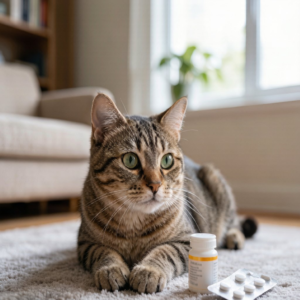
Why Human Cold Medicine Is Dangerous for Pets
Because cats and dogs metabolize drugs differently from people, they may not process ingredients like acetaminophen, pseudoephedrine, and caffeine, and even small amounts can poison them, sometimes fatally. Most over-the-counter human cold medicines are unsafe for pets. For mild cases when pet-specific medicine is unavailable, gentle herbal options exist, but vet care is best for serious symptoms.

Summer Dog-Walking Survival Guide (With Heatstroke First Aid)
Dogs have almost no sweat glands and cool mainly by panting, so above 28 C their cooling efficiency drops below a fifth of ours, and asphalt can hit 57 C while a dog's belly, only 20-30 cm off the ground, breathes air 5-8 C hotter. That makes summer walks risky. Walk before 7 a.m. or after 8 p.m. in shaded parks or grass, carry a folding bottle and offer water every 15 minutes, and cap time by breed, short-nosed dogs under 15 minutes in shade, sport breeds rest 5 minutes per 10 of exercise, small dogs under 10 minutes several times a day. Heatstroke can reach organ failure in 30 minutes; early signs are heavy panting, dark purple tongue, thick drool, then staggering and vomiting above 40 C, and seizures or coma with up to 80% death if untreated. First aid: move to shade, wipe groin/armpits/neck with room-temp water, give small sips if awake, keep head low, and rush to a vet.