Search Results
258 results for “obstruction”

Can a Dog’s Intestinal Obstruction Heal on Its Own?
A dog's intestinal obstruction cannot heal on its own — it's a serious emergency where the gut is blocked by a foreign object, twist, tumor, or intussusception, and delay risks bowel death, sepsis, or shock. Signs include vomiting, a hard swollen belly, no stool or gas, and lethargy; get to a vet immediately, as many cases need emergency surgery.

How Is Dog Intestinal Obstruction Treated?
Intestinal obstruction splits into complete and partial forms; complete blockage is more dangerous, risking gut death, perforation, and shock, while partial cases start mild but can become complete if ignored, so treat early either way. Diagnosis uses abdominal X-ray or ultrasound to see gas, fluid, and the object. Treatment usually means surgery to remove the blockage, with partial or stable cases sometimes starting on fluids and support first; tumors or severe damage may require removing part of the bowel. Most dogs recover with prompt care, but delay can be fatal.

Why Do Dogs Get Intestinal Obstruction?
The most common cause of dog intestinal obstruction is swallowing a foreign object the gut cannot pass, with constipation from dry, hard stool as another frequent trigger. Lack of trace elements can cause pica that leads to eating odd things, and fast or large meals also play a role. Signs are frequent vomiting, early diarrhea that stops once the bowel empties, bad breath from gut fermentation, and abdominal pain with the dog biting or staring at its belly. Ultrasound or X-ray shows the blockage, though string may need a barium study. Treat early to avoid worse damage.

Canine and Feline Nasolacrimal Duct Obstruction (Epiphora)
Nasolacrimal duct obstruction blocks normal tear drainage in dogs and cats, causing chronic epiphora (tear overflow) and facial staining. Congenital duct atresia usually needs surgical correction, while acquired obstruction from conjunctivitis or injury is managed by treating the underlying cause.

Urethral Stenosis and Obstruction in Dogs and Cats
Urethral stenosis and obstruction occur when the urethra narrows or becomes blocked, preventing normal urination. Male dogs and cats are most at risk. A complete blockage is an emergency that can lead to bladder rupture, peritonitis, kidney failure, or uremia if not treated immediately.

Intestinal Obstruction in Dogs and Cats
Intestinal obstruction is a physical or functional blockage that prevents intestinal contents from moving normally, causing severe abdominal pain and systemic illness. It may be partial or complete and usually requires surgery to remove the blockage, plus fluids and antibiotics.

Esophageal Obstruction in Dogs and Cats: Symptoms, Treatment, and Prevention
Esophageal obstruction is a blockage of the food pipe in dogs and cats, often from a swallowed bone or other object, causing distress, drooling, and regurgitation. It is an emergency relieved by veterinary removal of the object.
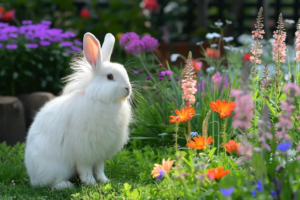
Keeping Rabbits Cool During Peak Summer Heat
Rabbits tolerate heat poorly, so during the hottest part of summer give them plenty of water, shade, and airflow, plus cool surfaces like tiles or ice pads. Keep density low, maintain cage hygiene, and watch for heatstroke signs such as rapid breathing and rising temperature, which need immediate cooling and a vet visit.
Is White Stool in Cats Normal?
Healthy cat stool is brown, so white stool usually signals a problem such as a blocked or stagnant bile duct, a tapeworm infection, or simply a high-calcium food like raw meaty bones. If the diet has not changed but white stool appears with lethargy or vomiting, see a vet promptly to rule out a bile-duct blockage.
What to Give a Cat That’s Vomiting
Vomiting is a symptom, not a disease — it can mean anything from a hairball to kidney failure or a blockage. The vomit's content and the cat's age guide the work-up, and treatment always targets the underlying cause.