Search Results
456 results for “obesity”
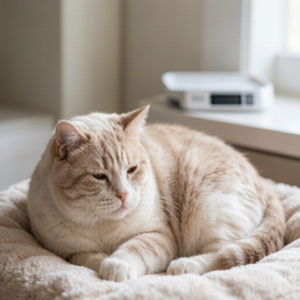
Can Obesity Cause Fatty Liver in Cats?
Overweight cats are at higher risk of fatty liver, because excess fat around the liver can move into it. Fat cats also more often have diabetes and pancreatitis, which can lead to fatty liver, and prolonged starvation is another common cause. Symptoms include anorexia, weight loss, vomiting, and jaundice, and severe cases can be fatal, so prevention matters.

The Dangers of Obesity in Hamsters
Obesity seriously harms a hamster's health. It raises the risk of diabetes, high blood pressure, and heart disease, and can trigger fatty liver, joint problems, and breathing trouble. Extra weight lowers overall vitality, dulls appetite and digestion, and can spoil sleep quality, which then affects physical and mental wellbeing. Prevent it with a varied, balanced diet, controlled portions, and enough space plus a wheel and toys for regular exercise. Knowing breed weight standards helps you spot and reverse excess weight early.
Symptoms and Treatment of Obesity in Cats and Dogs
Obesity is a nutrition disorder; by international standard, 10 to 15 percent over ideal weight counts as obese, and a body condition score gives a clearer read. In developed countries 10 to 40 percent of dogs and over 20 percent of cats are obese. Causes split into simple obesity from genes, overfeeding, and little exercise, and secondary obesity from hormone or endocrine disease. Diagnosis uses exams, body scoring, and lab work, and treatment is diet, more exercise, and managing any underlying disease.

Obesity in Dogs and Cats
Obesity is an excess of body fat that develops when energy intake consistently exceeds expenditure. It is common in pets fed too much, exercised too little, or affected by endocrine disease, and it predisposes to heart disease, diabetes and a shorter life.

Signs of Obesity in Cats
Obesity refers to the excessive accumulation of body fat. At least 25% of cats are considered obese or at risk of becoming obese, which is the most common nutrition-related health condition in pets.

Canine Obesity: Causes and How to Help Your Dog Lose Weight
Obesity — excess body fat — affects 25–40% of dogs and is the most common nutrition-related condition in pets. The main driver is simple: more calories in than out. A vet-guided plan with a therapeutic diet and measured portions turns it around.

What Chew Toys Do Hamsters Commonly Use?
Hamsters must chew to keep their teeth from overgrowing, which would block eating and cause disease. Common options are chew sticks, mineral stones, salt bricks, lab blocks, nuts, and apple branches — pick based on your hamster's taste and diet, and check tooth length regularly.

Why Do Dogs Get Lipomas?
Slowed metabolism and poor diet are the main drivers of dog lipomas, common in obese older dogs. Most are benign and need no treatment unless growing fast or infiltrative, when surgery is used. Prevent with a balanced low-fat high-fiber high-protein diet, keeping toxins away, and a healthy weight via exercise and checkups.

How to Tell If a Guinea Pig Is Pregnant
Guinea pigs breed year-round and can conceive again hours after birth, so watch a mixed cage for signs: rising appetite, less activity, irritability, a growing belly, more sleep, and pre-birth nesting with frequent drinking and urination. Once pregnant, separate the female, keep the cage clean and warm, add quality food and a little alfalfa, and allow gentle exercise; gestation is about 62 days, and stay quiet to avoid miscarriage.

How to Help Your Dog Through Winter
Winter care centers on warmth: a cozy bed out of drafts, heating pads under a towel below 21 C, dog clothes if thin-coated, and high-calorie food. Keep air moving, shift walks to warmer hours, bathe only monthly indoors, and guard against heater burns.