Search Results
421 results for “nutritional balance”

How to Care for a Poodle
Small Poodles have a more delicate constitution, so diet demands care: always provide fresh water, switch foods gradually over a week, feed on a fixed schedule, and choose a balanced natural kibble. Home-cooked meals need experience to get the nutrition right.

Why You Shouldn’t Feed Dogs Table Scraps
Table scraps — human leftovers — smell great to a dog but are junk food nutritionally: unbalanced, heavy in fat and carbs, laced with salt and seasonings, and hard to digest. They drive obesity and chronic disease, and dogs outlived the 'leftovers era' only once commercial food arrived.

What to Do When Pets Eat Strange Things (Pica)
Pica — eating non-food items like string, tissue, stones, or dirt — is a nutritional or metabolic disorder, not just naughtiness. It risks mouth and gut injury, blockage, parasites, and organ failure, so see a vet, fix the diet, and add trace elements and deworming.

Feline Stomatitis: Symptoms, Causes, and Treatment
Feline stomatitis is a blanket term for inflammation anywhere in the mouth, driven by anything from oral injuries and B-vitamin deficiency to calicivirus. Telltale signs are foul breath, red swollen gums, and drooling while eating — and because it is painful, a vet should evaluate any cat showing these signs promptly.

Feeding a Pregnant Cat: Diet Before, During, and After Birth
A pregnant queen's needs shift hard — her intake climbs to 1.5–2× normal by delivery, so transition her to calorie-dense kitten food over seven days and keep calcium steady. After birth she loses about 40% of the pregnancy weight gain and needs energy-rich, calcium-supplemented food, with free feeding while the litter is large.

Why Cats Shouldn’t Drink Mineral Water
Cats evolved in the desert and have a naturally weak thirst drive, so owners need to actively encourage them to drink enough water to avoid urinary stones and cystitis. Plain tap water served at room temperature and free of chlorine is best, while bottled mineral water is too high in calcium and magnesium for a cat's system.
Why Your Cat Sheds So Much in Spring
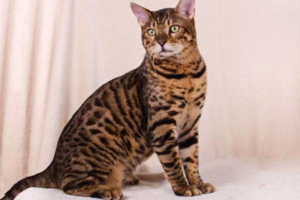
Heavy spring shedding is usually normal as the winter coat drops, but loss that happens off-season can signal poor nutrition, a hormonal imbalance, or parasites and fungal infection. Daily brushing with a little massage is the best remedy, because healthy skin is what keeps shedding under control.

How to Feed a Kitten: Schedule, Diet, and Foods to Avoid
Kittens need frequent small meals of quality kitten food — at least three a day under six months — with fixed times and a clean, quiet spot to eat. Never give cow's milk (most cats are lactose intolerant), cooked bones, chocolate, grapes, onions, or raw meat and eggs; switch to adult food gradually over 5 to 7 days around the first birthday.

Adjusting a Kitten’s Diet During Teething
Teething kittens eat poorly because swollen gums hurt, so switch to soft, easy-to-chew foods — soaked kibble, canned food, nutritional paste, or goat milk — and watch for retained 'double' canine teeth. Keep nutrition up so the kitten doesn't fall behind.

How to Improve a Rabbit’s Feed Conversion Rate
A better feed conversion rate lowers the cost of raising rabbits. Balance energy against other nutrients (intake falls as energy rises), apply digestible-amino-acid balancing, keep vitamins and trace elements in equilibrium to avoid deficiency disease, and use sound processing—right particle size, good pelleting, even mixing, and proper storage.