Search Results
283 results for “nursing cat”

How to Choose a Combined Parasite Treatment for Your Cat
Even indoor cats catch parasites—fleas, ear mites, roundworms, and mosquito-borne heartworm all reach them. Combined spot-ons treat inside and out in one dose without pills, which is why they are the top choice for house cats. The real question isn't 'which brand' but 'which active ingredients fit your cat's risks.' Here is the science, minus the marketing.

When Does a Pregnant Cat First Produce Milk?
A cat's pregnancy lasts about 60 days, and she usually starts producing milk, the first colostrum, only one to two days before delivery; there is no milk in early or mid pregnancy. The creamy-yellow colostrum is licked off immediately, so owners rarely notice it, but its appearance means birth is near and a birthing area should be ready. The nursing period runs about six weeks, after which kittens are weaned.

The Secret Behind Why Cats Knead
Kneading is a habit cats form as nursing kittens, pressing the mother's belly to draw milk while feeling warm and safe. Many keep it into adulthood as a way to communicate comfort and affection. There's even an evolutionary angle: scent glands in the paws release pheromones during kneading that signal bonding and can calm aggression. When your cat kneads you, stay quiet, don't grab the tail, and let it express its love. This article uncovers the reasons and the gentle way to respond.

When Do Cats Knead (and What Does It Mean)?
Cats usually knead in a few clear situations: when hungry, when happy and relaxed, during heat, or when missing their mother. The behavior starts in kittenhood—pawing the mother's belly to stimulate milk—so a hungry cat may knead to ask for food, while a content cat kneads to show trust. During heat, kneading is self-soothing and shouldn't be interrupted. When your cat kneads you, it feels safe and fond of you, so don't push it away. This article explains the triggers and how to respond.

Why Do Cats Knead?
Cat kneading—pushing the front paws rhythmically against a soft surface—starts in kittenhood, when kittens press the mother's belly to stimulate milk flow. Many adult cats keep the habit and knead when relaxed, happy, or seeking comfort. It can also mark territory (scent glands in the paws) or, in intact cats, signal heat. When your cat kneads you, it usually means trust and affection—so don't push it away. This article explains the meanings and how to respond.

Supplies to Prepare for a New Cat
Bringing a cat home means getting its eat, drink, and litter needs sorted first. Kittens may need goat's-milk or lactose-free formula, a bottle, and a needle-free syringe for feeding. Every cat needs two bowls (water and food) and a natural-quality kibble — cheap food leaves cats hungry and unwell. Plan one litter box per cat with low-dust clumping litter. Then add grooming and health items: hairball paste or cat grass, a brush, nail clippers, basic supplements, dewormer, eye drops, and a toothbrush. Toys, a scratch post, a warm bed, and a cat tree round it out.

How to Deworm Your Cat
Both indoor and outdoor cats can catch parasites—external ones (fleas, lice, ticks, mites) and internal ones (hookworm, tapeworm, roundworm, heartworm, toxoplasma). Dewormers split into internal (by weight, oral) and external (by weight, topical, never let the cat lick). Indoor cats with no outings need only every 3–4 months; rotating products reduces resistance. Human dewormers with the same active ingredient (e.g., albendazole) can work and are cheaper, dosed by content—but check with a vet first.

Postpartum Care for Mother Cats
Cat birth is long and exhausting, leaving the mother weak and far more vulnerable to disease. Poor aftercare can lead to uterine problems or lasting complications, so postpartum care matters. Within two hours of delivery, observe quietly without disturbing her or the kittens. Then focus on three pillars: nutritious food (more protein, fat, vitamins, and minerals, plus broths and milk), a calm, clean, warm environment with a disinfected nest, and vigilance for uterine disease and mastitis—seeing a vet at the first sign of trouble.
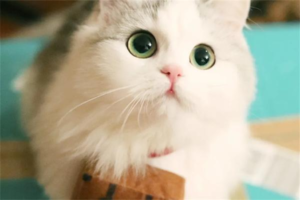
Common Genetic Diseases in Ragdoll Cats
Ragdolls are prone to two inherited diseases: hypertrophic cardiomyopathy, where the heart wall thickens and can cause sudden cardiac death, and polycystic kidney disease, where fluid cysts enlarge the kidneys. HCM peaks at four to eight years and affects about 6 percent of the breed; PKD strikes at three to ten and is avoided if both parents test clear. Neither can be cured, only managed with care, kidney-support diets and vet-guided mineral supplements, so DNA testing and routine prevention matter.
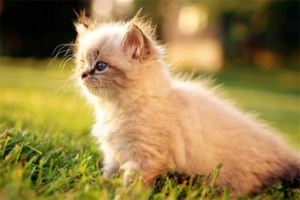
How to Correct Food Guarding in Cats
Food guarding is instinctive, common in roughly one-month-old kittens and stray cats that competed for scarce food. Kittens can be won over by hand-feeding and gentle trust-building; strays need space while eating. Multi-cat homes should feed separately in their own bowls and use play plus treat rewards to lower tension. The goal is to show the cat you provide food rather than steal it.