Search Results
343 results for “normal dog stool”

What to Do When Dogs and Cats Have Diarrhea? Keep These Fast Antidiarrheals on Hand
The medical term for diarrhea is diarrhea, which usually refers to changes in bowel habits and stool characteristics, generally manifested as frequent defecation, increased stool volume, loose stools, and bloody stool. Most diarrhea in dogs and cats is caused by gastrointestinal discomfort, but it may also be a concurrent symptom of other diseases. Today we discuss knowledge about diarrhea in dogs and cats.
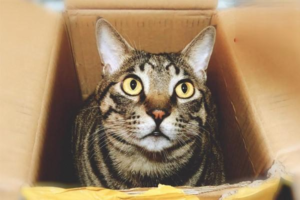
What Causes Bloody Stool From Cat Colitis
Bloody, foul cat stool usually means colitis—from diet change, foreign objects, bacteria, parasites (coccidia, Giardia), drugs, or allergies. Treatment pairs diet and probiotics with targeted antiparasitic, antiallergy, and antibiotic care.

Common Food and Drug Poisoning in Cats and Dogs: Symptoms and Treatment
Poisoning in pets is uncommon but dangerous. It falls into food poisoning (bacterial, fungal, toxic plants, chemicals, and human foods like onions, chocolate, macadamia) and drug poisoning (aspirin, ibuprofen, acetaminophen, vitamin D, ivermectin). This article covers the symptoms and what to do.

How Many Times a Day Should a Dog Poop?
Stool frequency and color reflect health — none for 1–2 days or over 4 times daily is abnormal. What is normal? Here is the detail.

Common Abdominal Diseases in Dogs and Cats: Ascites, Stomach Bleeding and More
Abdominal disease hits the stomach, liver, spleen, pancreas and peritoneum, causing vomiting, diarrhea, pain and fluid buildup. Learn the signs and treatments.

What to Do When a Dog Vomits After Eating Chicken Bones
Dogs eating bones seems natural, but we advise against it. Some owners face bone-vomit; this article covers the harm and handling.

What to Do When a Dog Can’t Pass a Swallowed Bone
A dog's digestion can't handle large bones; if swallowed whole they may lodge and never pass. How to help it out? This article explains.

What Causes Watery, Foul-Smelling Dog Stools with Blood?
When a dog has watery stools with a bloody, foul smell, diarrhea, or blood in the stool, many owners first fear infections like parvovirus or coronavirus. But not only infections cause watery stools. This article explains the possible causes of bloody, foul-smelling diarrhea in dogs.

How Long Does It Take a Dog to Recover from Overeating
Overeating causes belly pain, vomiting, and soft stools. Mild cases recover in a few hours, severe ones in about a day; withhold food and water three hours and add probiotics. Never force exercise, as it risks fatal gastric torsion.

What Causes Acute Enteritis in Dogs and What Are the Signs?
Acute enteritis comes from bad food, chills, antibiotic overuse, or infections and parasites. Signs are diarrhea, vomiting (sometimes with blood), mucus stool, fever, and dehydration. Withhold food 24h, give fluids, and treat the root cause.