Search Results
343 results for “normal dog stool”
How do you know parvovirus is cured?
Parvo shows frequent vomiting, poor appetite, lethargy, and bloody stool. Relief of vomiting and diarrhea with returning appetite means improvement. A blood test should confirm white and red cells are normal. After cure, keep the diet nutritious and digestible.
What happens if a puppy does not defecate?
Not defecating hardens stool in the gut and impairs peristalsis, causing constipation or anal fissures. Long-retained feces produce toxins that damage the gut. Walk the dog daily; train indoor elimination if housebound.
What are the signs of recovery from canine parvovirus?
Signs of improvement include better spirits and appetite, fewer vomits and diarrheas, fading stool odor with no more blood, improving dehydration, and temperature returning to normal - all pointing to a high chance of cure.
How to Check If Your New Puppy Is Healthy
Check a new puppy in five steps: mental state (curious, not lethargic), appetite (eating within a day or two), temperature and breathing (38–39°C; over 39.5 is fever, under 37.5 hints at low sugar or shock; 20–30 breaths/min at rest), and stool/urine (formed brown, no blood or diarrhea). Also scan coat, gums, ears, eyes, and gait.
The Munchkin Cat: A Care Guide for the Short-Legged Breed
Munchkins are gentle, clingy, and adaptable, making them easy keepers — but their limited jumping means the litter box and bed must stay low. Short legs mean less daily activity, so unchecked feeding easily leads to obesity that strains the joints and raises arthritis and spinal risk; watch the diet. And because the 'chassis' sits low, the belly (and in long-haired ones the coat) picks up dirt, and the rear can smear — so help with cleaning.
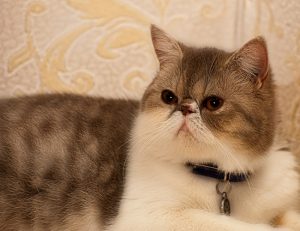
Exotic Shorthair
The Exotic Shorthair — everyone's "Garfield cat" — pairs the Persian's plush look with a short, easy-care coat. Sweet, calm, and affectionate, it's one of the most laid-back cat breeds to live with.

Common Gastrointestinal Diseases in Cats
Many diseases can affect the gastrointestinal (GI) tract. Symptoms such as vomiting or diarrhea are common in GI disorders. Regurgitation (the effortless expulsion of stomach fluid, mucus, and undigested food from the esophagus) is frequent in esophageal disease.
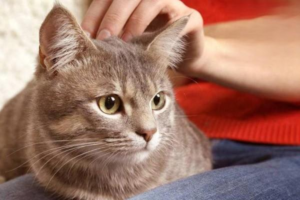
Cat Anatomy and Nutritional Requirements
A cat's body has nine notable parts (limbs, eyes, teeth, paw pads, nose, tongue, claws, whiskers, ears), and its diet needs core nutrients: protein, fat, carbohydrates, water, crude fiber, magnesium, calcium, phosphorus, and taurine. As obligate carnivores, cats need animal-source nutrition.

Cat Deworming: Methods and Timing
Parasites are among the few cat illnesses you can actually prevent. A regular deworming schedule protects your cat — and since many parasites are zoonotic, it protects you too. Here is what to know about internal and external parasites and when to treat.

Do Cats Fart?
Cats do pass gas, usually silently and nearly odorless. Diet is the usual cause of smelly, frequent gas, but pairing it with appetite loss, vomiting, or diarrhea means a vet visit.