Search Results
343 results for “normal dog stool”
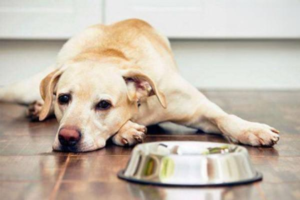
Dog Has No Appetite but Stays Active
When a dog skips meals yet stays playful, the cause is usually the food itself or picky habits, not illness. Rule out the kibble first, then watch for a possible blockage if there is no bowel movement or drinking.

Dog Fever: Symptoms and What to Do
Dog fever often follows a chill, heatstroke, postpartum low calcium, or viruses like distemper and parvo. Signs include a dry hot nose, fast breathing, and red eyes, and a temperature above 39.5C (103F) means it is time for a vet.
Why Your Dog Keeps Vomiting Yellow Foamy Fluid
A dog that repeatedly throws up yellow, foamy fluid usually has poor gut motility from dehydration, irregular feeding, or a bad environment, or it ate too fast, human food, or additive-heavy items that strain the liver and pancreas. Parasites and gastritis (acute or chronic) are other causes; watch energy and appetite, and use a probiotic plus bland food for gastritis.

What to Do When a Dog Has Diarrhea After Giving Birth
A mother dog is weak and low-immunity after whelping, so diarrhea often follows stress, chills, or diet. Fast and observe, give glucose and light salt water, then bland high-protein food in small frequent meals; keep her warm and calm. Read the cause before treating.

Why Your Dog Suddenly Vomits Yellow Liquid
Sudden yellow vomit usually comes from hunger, eating something wrong, irregular feeding, or gastritis. Ease back with a short fast, water, and a probiotic, then bland food; for swallowed objects or severe gastritis, a vet visit is needed to avoid dehydration.

Why Is Your Dog’s Stool Green?
Green stool in dogs has several causes, from harmless to serious. Eating grass or green plants, overeating, indigestion, colitis, or gallbladder trouble can all tint the stool green through bilirubin oxidation. Occasional green stool from plants needs no treatment, but persistent or unexplained green stool warrants a vet check.

What to Do When Your Dog Has Red, Loose Stools
Red, loose stool almost always points to gut inflammation or intestinal disease and deserves prompt attention. The usual triggers are spicy human food, overeating with poor digestion, or intestinal parasites. Fasting for a day or two plus probiotics helps mild cases, while parasite-related blood needs proper deworming.

Why Your Dog Passes Live Worms After Deworming
Passing live worms after deworming means the job isn't done — a second or third dose is needed. Worms enter through dirty water, food, and walks, so deworm on schedule, follow the dose by weight, and space treatments 15+ days apart.

What to Do If You Find a Stray Kitten
Finding a stray kitten does not always mean you should take it. If it looks healthy and the mother may still return, watch from a distance for 30 minutes to 3 hours first. Once you commit, the priorities are warmth, a vet check, and round-the-clock feeding with kitten formula — never bathe it or drop it at a crowded shelter. Kittens under three weeks cannot regulate their own temperature and need feeding every 2 to 3 hours.
Diagnosing and Treating Canine Parvovirus
Canine parvovirus is a highly contagious acute disease and one of the deadliest threats to dogs, hitting weaned puppies hardest. It takes two forms: the gastroenteritis type (vomiting then tomato-juice-red, foul diarrhea, fever, low white cells) and the myocarditis type (sudden death in young pups from heart failure). It spreads by mouth from infected stool, urine, and vomit, and vaccination is the real defense — isolate any sick dog and disinfect with 2% caustic soda or 10–20% bleach.