Search Results
343 results for “normal dog stool”

Why Is My Dog So Sleepy in Summer?
Many dogs seem lazier and sleep far more once summer arrives. In most cases this is a normal response to heat—dogs cool themselves mainly by panting and through their paw pads, so they naturally slow down to avoid overheating. However, persistent lethargy paired with panting, a rising temperature, or appetite loss can signal heatstroke or illness. Keep your dog cool, hydrated, and walk them during cooler hours to stay safe.

Why Is Your Dog Having Diarrhea
A healthy dog passes formed stool three to four times a day. More frequent, soft, watery, mucus-laced, or bloody stool is diarrhea, a sign of illness rather than a normal variation. Clinically it is split into acute (sudden) and chronic (long-lasting) forms, each with its own common causes.

Common Dog Diseases and Their Symptoms
A sick dog shows changes in behavior and body that veterinarians call symptoms. Owners who notice these early can get the right help faster. Fever is one of the clearest signals: a dog's normal temperature is 38.3-39C, and anything above 39C means the dog is running a temperature. Here are the common causes behind sudden high fever and lingering low fever.

Why Dogs Need Vaccinations
Puppies are vaccinated around two months, after the vet checks temperature and recent health to be sure the body can handle the stress. Mild reactions are normal: some diarrhea, vomiting or low spirits for a day or two - keep water available, do not force food, and add probiotics. Serious signs like itchy skin, facial swelling or red eyes mean allergy and need an anti-allergy shot, so observe at the clinic before leaving. High fever, blood in urine or seizures may mean the dog was already unwell; see a vet at once. Keep the dog warm, calm and away from others, and follow the schedule - first shots about a month apart, then yearly.
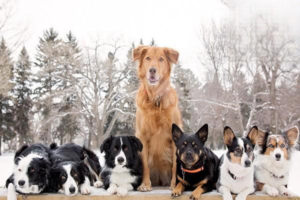
Why Does Your Dog Smell So Bad?
No matter how much you love your dog, the odors it carries can be hard to love. Many owners wonder why their dog smells, and the causes are not always obvious. A bad smell can signal a health problem, from wet-coat yeast and bacteria to ear infections, skin-fold dermatitis, gas, and impacted anal glands. Knowing where the odor comes from helps you treat the root cause instead of just masking it. Regular bathing and grooming, plus simple odor absorbers, can handle everyday smells that are not linked to illness.

How Should Dogs Eat Carrots?
Carrots are a great low-calorie treat for dogs—100 g has only 32 kcal and good palatability, so even a dog on a diet can learn to love them. They are rich in antioxidants alpha- and beta-carotene, which convert to vitamin A, potassium, fiber, and other nutrients. Vitamin A aids vision (especially in senior dogs), immunity, and skin health; vitamin B6 helps turn carbs, fat, and protein into energy; and the high fiber supports healthy digestion and stools. One rule: never feed raw carrots—dogs can't absorb the vitamin A in raw carrots, so it is wasted. Cook them: steaming is best (boiling works too), because breaking the cell walls makes nutrients easier to absorb. You do not need to fry them in oil; carotene is fat-soluble, but absorption happens in the intestine, so any fat already in the meal is enough. Feed in moderation based on size and digestion—a Yorkshire Terrier needs only about 1–2 thin slices a day.

What to Do If Your Dog or Cat Has Tapeworms
Many species of tapeworms parasitize dogs and cats, and the adult worms seriously harm their health, while the larval stages often use livestock or humans as intermediate hosts, threatening both animals and people. Common species include Dipylidium caninum, Taenia spp., Echinococcus granulosus, Mesocestoides, Spirometra mansoni, and Diphyllobothrium. Infection causes intestinal inflammation, malnutrition, and in severe cases intestinal blockage, with signs like vomiting, diarrhea, weight loss, and odd behavior. Diagnosis relies on clinical signs plus fecal egg exams. Prevention means regular deworming, not feeding raw offal, and controlling fleas. Treatment uses praziquantel (5 mg/kg dogs, 2 mg/kg cats), arecoline hydrobromide, bunamidine, or fenbendazole under veterinary guidance. Because some tapeworms (like Echinococcus) also endanger human health, prompt and correct control matters.

Why Has My Dog Suddenly Gone Quiet and Calm?
A dog that is normally playful but suddenly turns quiet and still may simply be in a low mood, or it could be telling you something is wrong. The shift often comes from four situations: feeling down, adjusting to a new environment, being unwell, or pregnancy in a female dog. Because quiet behavior can mask illness, owners should weigh the context and watch for other signs like changes in appetite or stool. This guide explains each reason so you can respond with comfort, patience, or a timely vet visit.

What to Do If Your Dog Coughs or Retches After Deworming
Dogs rarely cough after a dewormer, but when it happens the tablet may be lodged in the throat, offer water to help swallow it. Coughing or retching can also stem from excitement rather than allergy, and a correct dose seldom harms the dog. Other common reactions include worms in the stool, vomiting, and diarrhea. Overdose or a sensitive gut causes vomiting and diarrhea; observe for 1-2 days, fast briefly, and use a pet probiotic, but seek a vet if it's severe. Unvaccinated dogs with these signs need viral testing.
What happens if a dog has intestinal worms?
Intestinal worms cause abdominal pain, soft stools, diarrhea, frequent vomiting, poor appetite, steady weight loss, malnutrition, anemia, and a rough, dull coat. With a heavy load you may see worms or segments in the stool. Deworm regularly — monthly for puppies under 1 year, every 2–3 months for adults — and avoid raw food.