Search Results
70 results for “nodules”

What to Do If Your Cat Has Cryptococcosis
Cryptococcosis is an environmental fungus found in soil and air, and cats often catch it by inhaling spores that travel from the lungs to the rest of the body, or through wounded skin and the mouth. Pigeons are the most important carrier, so the fungus concentrates wherever birds roost, in attics, and among decaying leaves. Signs range from skin nodules and nasal discharge to nervous-system and eye problems. Diagnosis relies on microscopy, fungal culture, X-rays, and blood tests, and oral antifungals such as ketoconazole, itraconazole, and fluconazole are the main treatment. Starting therapy early and keeping it consistent gives the best chance of recovery.

Understanding Feline Hyperthyroidism
Hyperthyroidism is an endocrine disease from excess thyroid hormone, common in senior cats, usually from benign nodules. Signs include weight loss with ravenous appetite, restlessness, coat changes, and more; suspect it in any sick cat over ten. Treat by surgery, daily medication, or radioiodine; prevent via diet and regular checkups, especially with heart disease.

Symptoms and Treatment of Fatty Liver in Dogs
Canine fatty liver is the build-up of fat in the liver from disrupted sugar and fat metabolism, showing as excess body fat, poor digestion, and easy fatigue. Causes are primary, from high-fat diet, low protein, starvation, or little exercise, or secondary, from hepatitis, diabetes, and other chronic disease. Signs include low spirit, poor appetite, occasional vomiting, and an enlarged liver. Diagnosis uses blood, biochemistry, and imaging; treatment is medicine plus a changed diet, regular meals, and exercise.

Can Dog Heartworm Spread to Humans
Dog heartworm can pass to people, but the chance is low. It spreads through blood, mainly via mosquito bites: a mosquito that bit an infected dog can later bite a human and transmit the larvae. Because the larvae cannot mature in the human body, human cases are rare and usually mild, sometimes causing lung or subcutaneous nodules with fever, pain, or chills. Still, see a doctor if exposed. The bigger risk is transmission to other pets, so deworm and control mosquitoes.
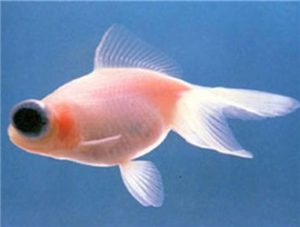
Cinnabar-eye Big Butterfly-tail Goldfish
The Cinnabar-eye Big Butterfly-tail Goldfish is a goldfish variety with a pure white belly and only cinnabar-red eyes, very striking. Gentle, it is beloved by hobbyists.

Osteosarcomas in Dogs and Cats
Osteosarcoma is a malignant bone tumor from abnormal osteoblasts, most common in large and giant dog breeds. The main sign is lameness, with swelling, pain, and possible pathological fracture. Early limb amputation plus anti-cancer medication is standard, but the outlook is poor.

Mammary Tumors in Dogs and Cats
Mammary tumors are common in intact female dogs and are the third most common feline tumor. They often appear as firm nodules in the mammary chain and can ulcerate or spread to lymph nodes and lungs. Early spaying sharply lowers risk, and surgery is the main treatment.

Cutaneous Mast Cell Tumors in Dogs and Cats
Cutaneous mast cell tumors can appear anywhere on the skin or internal organs, most often on the hind legs, perineum, and prepuce. They vary from slow soft lumps to fast hard nodules and may ulcerate. Surgical removal of well-defined tumors is the main treatment.

Basal Cell Tumors in Dogs and Cats
Basal cell tumors are common, usually slow-growing skin tumors of dogs and cats that arise from the basal layer of the epidermis or hair follicles. Most are benign and stay confined to the skin, though larger ones can ulcerate. Complete surgical removal is typically curative.

Canine and Feline Pancreatic Tumors
Pancreatic tumors occur in older dogs and cats and can be benign or malignant; many spread widely, especially to the liver. Insulin-secreting tumors cause low blood sugar, while surgical removal offers the best chance when caught early.