Search Results
412 results for “new fish”
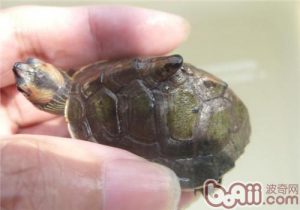
Indian Roofed Turtle
The Indian Roofed Turtle (Kachuga tecta) is one of the more common roofed turtles, recognizable by the distinctive raised black keel on its shell. Native to the rivers of the Indian subcontinent, it is a timid aquatic turtle that can enter hibernation.

Painted Terrapin
The Painted Terrapin (Callagur borneoensis) is a distinctive member of the painted turtle genus whose carapace resembles a watermelon, with a red streak across the head. Distributed in Malaysia and Indonesia, it is a large, carnivorous, brackish-water turtle that must be kept in low-salinity water.
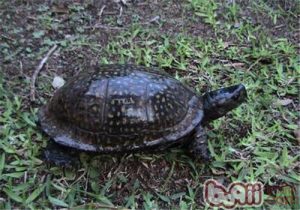
Gulf Coast Box Turtle
The Gulf Coast Box Turtle (Terrapene carolina major) is the largest subspecies of the Common Box Turtle, found along the U.S. Gulf Coast bordering Mexico. A typical omnivore reaching up to 18 cm in carapace length, it grows quickly and is relatively easy to keep.
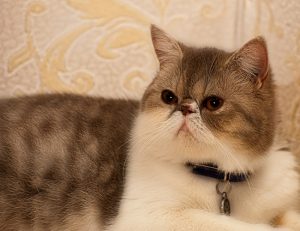
Exotic Shorthair
The Exotic Shorthair — everyone's "Garfield cat" — pairs the Persian's plush look with a short, easy-care coat. Sweet, calm, and affectionate, it's one of the most laid-back cat breeds to live with.

Canine and Feline Urticaria (Hives): Symptoms, Treatment, and Prevention
Urticaria, or hives, is an acute allergic skin reaction in dogs and cats that produces sudden, well-defined wheals and itching, usually fading within a day or two. Identifying and removing the trigger is the key to treatment and prevention.

Common Causes of Arowana Fright
Despite their fierce appearance, arowanas are easily startled, and when scared they may jump out of the tank, refuse food, or slam into the glass. Fright comes from external changes (noise, light, tank rearrangements) or internal issues (parasites); calm the fish with fasting, a covered tank, and gradual taming.

What Causes an Arowana to Become Startled?
Arowanas look fierce but are timid and startle easily—mild cases refuse food or jump, severe cases crash into the glass and risk death. Common triggers include poor tank placement, new environments, bullying tankmates, water changes, and pets or children. Identify the cause quickly and address it.

What to Do When Your Arowana Is Startled
Arowanas are large but very timid and startle easily; severe cases jump or crash into the glass and can die. Learn the common triggers (placement, noise, sudden movement, pets), help them adapt, keep tankmate sizes matched, and tame shy fish with gentle, regular interaction.

Why Do Blood Parrot Cichlids Cluster and Rest at the Bottom?
Blood parrot cichlids huddling motionless at the bottom may just be settling into a new home, or it can signal illness, low temperature, or poor water. Give newcomers quiet time, raise the temperature to 28–30°C if it's cold, and for enteritis do a full water change with oxytetracycline/gentamicin baths plus added vitamins.

How to Choose Cat Food and Canned Food
Cat food, cans, and treats on the market are dazzling, and reviews vary widely. Even well-regarded brands may contain some unhealthy ingredients.