Search Results
412 results for “new fish”

Goldfish Care Before and After Spawning
Before spawning, prepare a disinfected separate breeding tank with plants or a spawning mop, and keep a male:female ratio of 2:3 or 2:4. After laying and fertilization, remove the parents and keep water at 15-20C to hatch in 3-7 days. Feed fry yolk 2-3 days after hatching; keep oxygen ample and avoid water changes.
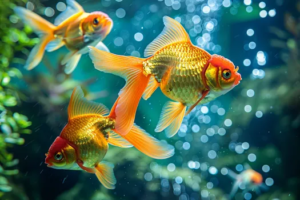
Why Is Your Goldfish Sitting at the Bottom of the Tank?
Goldfish sit at the bottom for many reasons — resting, stress from a new environment, low temperature, sudden water changes, or illness. If the fish perks up when the light brightens, it is just resting and needs no action. If poor water quality is the cause, change the water promptly; if it is sickness, treat the specific disease. Regular water care and stable temperatures prevent most cases.

Goldfish Stress: Symptoms and What to Do
Stressed goldfish lie on the bottom, look unwell, eat and move less, and make more slime; severe cases show body congestion. Respond by fixing water (change, add microbial agent), oxygenating 24h, fasting, and keeping the environment quiet. Prevent with good, stable water, controlled temperature, and safe food.

How Often Should You Change Goldfish Water?
Change goldfish tank water every 3-7 days, adjusting for season, temperature, stocking density, and water quality. In summer without filtration, change about a third of the water every 3 days; in winter you can stretch to 10-15 days. Keep the new-water temperature within 2°C of the old, add it slowly along the glass, and replace only 1/4-1/3 of the volume each time.

Why Is Your Goldfish Not Eating?
Many things stop a goldfish eating — indigestion, sudden or polluted water, a food change, a changed environment, breeding condition, or big temperature swings. Treat the cause: for indigestion, stop feeding and raise temperature with a water change to speed digestion. Always feed by schedule and amount to avoid overfeeding.

The Goldfish Breeding Process
Goldfish breeding has three steps: pairing, fertilization, and hatching. Mature fish pair on their own in season; in southern China the peak is March-April, with water best kept at 18-25°C. They fertilize externally — the female releases eggs, the male adds sperm, and fertilized eggs hatch in about 5-7 days at ~18°C with good oxygen.
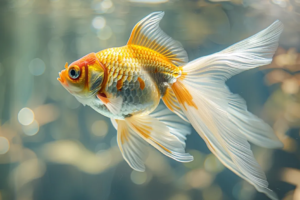
Signs Your Goldfish Is Overfed
Overfed goldfish may rub on the glass, swim tilted, sit on the bottom, or float belly-up, sometimes with white or yellow stool. Ease it with water changes, warmth, current, and oxygen to aid digestion. Overfeeding badly strains the gut and can cause inflammation, so feed small, frequent meals and control portions — usually 1-2 feeds daily, more in hot weather.
Is Driftwood Good for a Fish Tank, and What Does It Do?
Many add driftwood only for looks, but it does more than decorate. This article covers the pros and cons so you can decide whether to use it.
Moving an Arowana to a New Tank: Precautions and Tips
Transferring an arowana to another tank is sometimes unavoidable, but done wrong it stresses the fish. Disinfect the new tank, reuse old filter media, fast the fish before netting, and observe it closely after release to help it settle.
How Can I Make My Fish Tank Water Clear?
Clarify tank water by pre-conditioning new water, doing weekly partial water changes, using a suitable filter, avoiding overfeeding, and planting aquatic plants to absorb nutrients.