Search Results
412 results for “new fish”
What happens if I change too much water for my flowerhorn?
Changing too much water destabilizes the tank, stresses the flowerhorn and can lower immunity and appetite, even causing illness or death. Change only 1/4 to 1/3 each time and match the new water's temperature, hardness and pH to the tank, then watch the fish for problems.
How can I lower the hardness of my aquarium water?
To soften aquarium water you can use a water softener that exchanges sodium and potassium ions for magnesium and calcium; use an RO unit that produces soft water by reverse osmosis; or partially change the water with low-hardness water, keeping the new water close in temperature to the tank.

Causes and Treatment of Arowana Tail Loss
Arowana tail loss has long troubled keepers. Though not fatal, it seriously hurts appearance. How to avoid it? Our veterinarian explains the causes so keepers can prevent and reduce tail rot.

What to Do When a Turtle Won’t Eat for Days
A turtle refusing food for days is usually environmental — new surroundings, low temperature, shallow water, or illness. Keep water 10–15 cm deep, hold 22–25°C, change water often, and tempt with shrimp or raw meat (never salty food); see a vet if it persists.

Why Does an Arowana Lie on the Tank Bottom, and How to Respond?
Many arowana keepers have seen the fish lie on the tank bottom, but few know why. Our veterinarian details the causes and responses, hoping to help.
Why won’t my betta eat?
A betta may stop eating from wrong temperature, new-environment stress, or unsuitable food. Ideal water is 25–28°C; warm slowly with a heater if too cold. Offer live foods like worms, shrimp, and small fish to boost appetite.
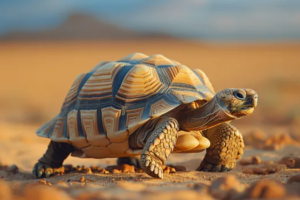
Will a Baby Turtle Starve If It Won’t Eat? How Long Can It Live?
A new turtle that refuses food is often just shy or in poor conditions, not sick. Large, healthy turtles can go months (especially in hibernation); fix the temperature, water, and hiding spots, offer meat or shrimp, or use a companion to trigger feeding.
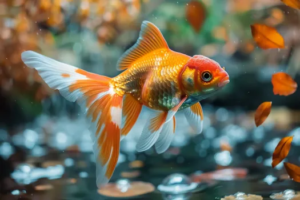
What Causes Arowana Head-Down Syndrome?
Arowana head-down syndrome means the tail is up and head down, or the head lower than the tail. It is a common disease, mostly in juvenile arowana. Our veterinarian details the causes and treatments.

A Guide to Keeping Turtles
Turtles are common pets with long lifespans and can live for years if kept well, but die easily if not. How to keep them correctly? Our team's sharing hopes to help.

Why Do Blood Parrot Cichlids Always Stay in the Corner?
Parrot cichlids staying in a corner may be from water/temperature, low oxygen, or just arriving home and not adapting. Our team explains the causes and solutions.