Search Results
412 results for “new fish”
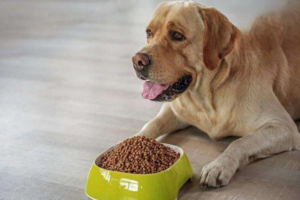
When Should You Switch Your Dog’s Food
Switch dog food at weaning, adulthood, and senior years, or when the coat dulls, energy drops, or obesity appears. Use a gradual 7-day transition to avoid gut upset; keep the brand stable otherwise.

Signs of a Puppy Shedding Its Baby Coat
Puppies shed their baby coat from about 3 to 8 months; adults shed seasonally in spring and autumn. Help with frequent brushing, lecithin and fish oil, and good nutrition to avoid matting.
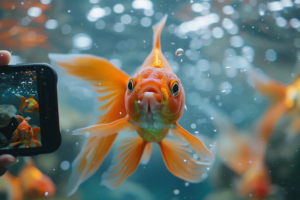
Why Arowana Refuse to Eat
Many factors cause arowana to refuse food - large water-quality swings, sudden environmental change, indigestion, a monotonous diet, or illness. Solutions differ by cause: change and stabilize the water, let the fish rest quietly, fast and regulate digestion, vary the diet, or treat the specific disease. Check water, environment, food, and health to find the cause.
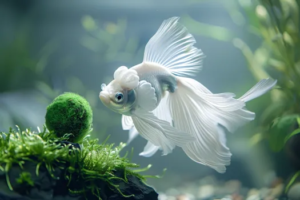
Can a Broken Arowana Fin Recover?
Whether a broken arowana fin recovers depends on severity. If not fully severed, it usually regrows with clean water, steady temperature around 30C, and good nutrition, though slowly and less perfectly. Fully severed fins rarely recover. Keep water quality high and be patient through the long regrowth.

Why Do Arowana Get Sunken Eyes?
Arowana sunken eyes (eye recession) commonly come from internal organ inflammation, bacterial infection, or medication overdose. Treat by cause: antibiotics for internal inflammation, water changes and antibacterial baths for infection, and water changes plus warming for overdose. Keep water clean, warm, and oxygenated; mild cases recover in about a week.

What to Feed a Cat for a Glossy Coat
Improve a dull coat with food rich in essential fatty acids (fish, flaxseed, or olive oil), vitamin A, vitamin E, and zinc, plus high-quality protein like chicken, fish, and turkey - hair is mostly protein. Also groom regularly, keep good water, exercise, sleep, and sun, and see a vet if it doesn't improve.
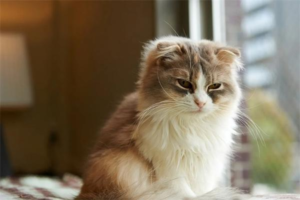
Symptoms and Treatment of Postpartum Depression in Cats
The greatest love is a mother's. Birth is painful, and some mothers fall into depression, withdrawal, and self-doubt afterward—and cats are no exception. This article covers the causes, symptoms, and treatment of feline postpartum depression.
Why Do Arowana Scales Raise (Pinecone Disease), and How to Treat It
Arowana scale-raising has three causes—handling-related, parasitic, and bacterial—each needing different treatment. Find the real cause and treat accordingly. This article covers the common causes and treatments.

What Causes an Arowana to Stop Eating?
Many things cause refusal: bad or old water, indigestion, big environment changes, illness—and some arowana stop seasonally. Find the real cause for your fish. This article lists the common reasons.

Should You Keep a Red-Eared Slider Dry or in Water?
Red-eared sliders are common, hardy pet turtles, but proper care starts with the right setup. They should be kept mostly in water with a land area for basking, while dry keeping is only for sick individuals needing medication. Stable temperature, clean water, varied diet, and disease watch keep them healthy.