Search Results
412 results for “new fish”
How to Treat Arowana Tail Rot Disease
Tail rot is a common arowana disease; without timely treatment it is hard to cure and may threaten life. What causes it and how to treat and prevent? Our veterinarian details the methods.
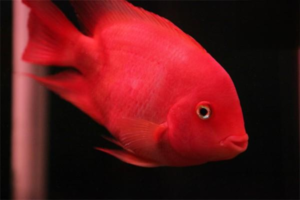
What to Do When Blood Parrot Cichlids Fear People and Hide?
Owners of parrot cichlids share a worry: the fish fear people and hide. To solve it, first understand why. Our team explains the causes and solutions.
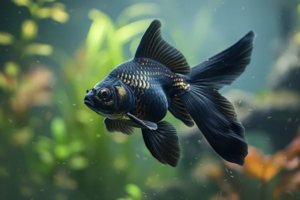
Common Reasons an Arowana Stops Eating
An arowana may refuse food because it is stressed by a new environment, the water has gone bad, the diet is too monotonous, it has a cold, it has internal parasites, or it has enteritis. Pinpoint the exact cause—stable water, a short fast, then targeted treatment—before resuming feeding.

Common Factors That Make Arowana Sick
An arowana's health is closely tied to how it is kept. Poor feeding, fright, bad water changes, fighting, external infection, and overall poor water quality are the main triggers of illness. The single most important preventive measure is stable, clean water—use a filter and change water on a schedule.

Common Arowana Skin Diseases and Their Prevention
Common arowana skin diseases include scale melting, slime-coat shedding, and fin/tail rot—most stemming from poor water quality. Improve water and add aquarium vitamins for scale melting; use Japanese yellow powder for slime-coat loss; and rely on the 'old three' (heat, salt, water change) or medication for fin/tail rot.
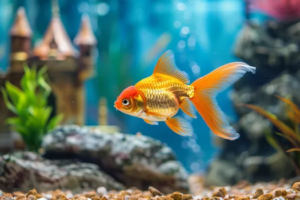
Why Is My Koi Refusing Food?
Koi refuse food for many reasons—environment, diet, disease, and stress. Sudden or poor water quality, a long-term single food, stress, digestive disease, or parasites can all cause anorexia. To reduce it, balance the diet, keep water quality good, and avoid startling the fish.
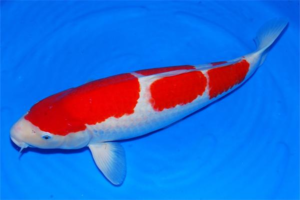
Why Do Koi Lose Scales
Koi lose scales from external stress (transport bumps, crowded tanks, sharp decorations, fighting, fright) or disease (dropsy, hole-in-the-body disease, red-skin disease). Good water quality and avoiding bacteria greatly lower the risk.
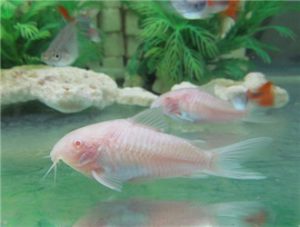
White Corydoras
The White Corydoras is native to South American waters and is now mostly captive-bred. An albino form of the Bronze Cory, it has a milky white body with clear red eyes, is gentle, and is kept in schools. Egg-laying and good with small fish, it suits planted tanks as a bottom fish.
Golden Tetra
The Golden Tetra has a very distinctive appearance. Although a tetra, note that its shimmering golden-yellow body comes from a parasitic bacterial glow. Under aquarium lighting it looks especially beautiful.

Australian Spotted Arowana
The Australian spotted arowana (Scleropages leichardti) — also called the spotted barramundi or northern saratoga — is a large, nocturnal, fiercely aggressive arowana from eastern and northern Australia. A carnivorous tank boss that needs a big aquarium, soft acidic-to-neutral water, and careful, varied feeding.