Search Results
264 results for “nest temperature”
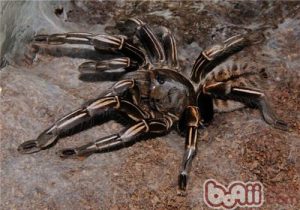
Haplopelma albostriatum
The Thai Zebra Leg Tarantula (Haplopelma albostriatum) is an inexpensive but aggressive burrowing spider from Thailand. Requiring deep, moist substrate and high humidity, it is best suited to experienced keepers who can respect its defensive temperament.

Poecilotheria rufilata
The Slate Red Ornamental Tarantula (Poecilotheria rufilata) is a large, vividly marked arboreal tarantula native to the tropical rainforests of India. Renowned for its potent venom and unpredictable aggression, it is best reserved for keepers with extensive tarantula experience.
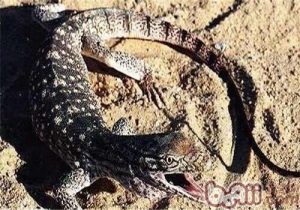
Desert Monitor
The Desert Monitor (Varanus griseus) is a large, fierce monitor of the Sahara and Asian deserts, reaching up to 140 cm and famed for its endurance and venom-resistant diet of snakes and scorpions. Difficult and dangerous to keep, it is not recommended for beginners.

Geoffroy’s Side-necked Turtle
The Geoffroy's Side-necked Turtle (Phrynops geoffroanus) is a shy, nocturnal South American side-necked turtle that dislikes basking and prefers dark, vegetated waters. Small and aquatic, it needs a large, clean setup and a varied omnivorous diet.

Bengal Roof Turtle
The Bengal Roof Turtle (also called the Red-crowned Roof Turtle) is a Critically Endangered Asian river turtle famed for the brilliant red, white, and blue courtship colors of mature males. Rare in captivity and heavily protected, it needs pristine filtered water and warm temperatures, and is mainly herbivorous as an adult.

Gopher Tortoise
The Gopher Tortoise (Gopherus polyphemus) is a burrowing land turtle of the southeastern United States, strictly herbivorous and protected by law due to its small wild population. Famous for digging deep burrows (11–15 m), it needs a dry, sandy outdoor enclosure with plenty of sunny space.
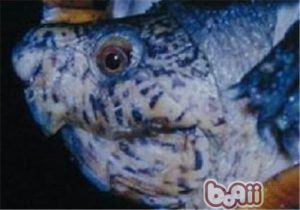
Kinosternon dunni
Kinosternon dunni, the Colombian Mud Turtle, is a semi-aquatic musk-turtle relative from Colombia's streams, mostly herbivorous and similar in looks to the narrow-bridged mud turtle. A prolific breeder, it benefits from a short, safe hibernation and a varied, plant-rich diet.

African Keeled Mud Turtle
The African Keeled Mud Turtle (Pelusios carinatus) is a side-necked turtle from Africa, dark gray to black with a keeled shell and a yellow plastron. A gentle, hardy semi-aquatic species that adapts well to captivity and makes a good, if uncommon, community turtle.
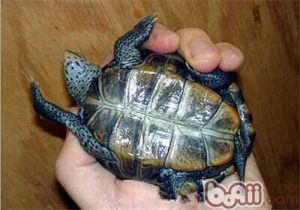
Florida East Coast Diamondback Terrapin
The Florida East Coast Diamondback Terrapin (Malaclemys terrapin) is a dark, subdued brackish-marsh turtle from Florida's Atlantic coast, uncommon in the trade. Unique among turtles, it thrives in brackish water near seawater salinity, so it is best kept in slightly brackish conditions.
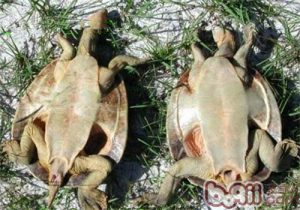
Fitzroy River Turtle
The Fitzroy River Turtle (Rheodytes leukops) is an Australian river turtle famous for 'breathing through its bottom'—it draws oxygen via cloacal sacs, letting it stay submerged far longer than most turtles. A bottom-dweller of flowing, gravelly waters, it is sensitive to poor water quality and warm temperatures.