Search Results
8 results for “natural extracts”

Types of Pet Shampoo and How to Choose
Pet shampoos fall into all-purpose, color-enhancing, volumizing, dry-powder, and medicated types. Choose by your dog's coat and skin (ask a vet if unsure), favor natural extracts, and check ingredients—aloe for moisture, oatmeal to relieve itch, vitamin E for elasticity.

Why You Shouldn’t Feed Table Scraps to Cats and Dogs
Table scraps are the human leftovers pets love for the smell, but nutritionally they're junk food — heavy in fat and carbs that drive obesity, loaded with salt and seasonings that harm them, and hard to digest, laying the groundwork for chronic disease. Before commercial pet food, average lifespans fell well short of their ~13-year potential; balanced diets changed that.
How is the Gudeng brand?
Gudeng is a pet-products brand that sources quality ingredients worldwide — probiotics, proteins, vitamins, minerals, and natural plant and animal extracts — with partners in Denmark, New Zealand, the U.S., Norway, and Brazil. User feedback is positive; its calcium tablets sell well and its dog food has a good reputation though at a higher price.

Types of Pet Shampoo and How to Choose the Right One
Pet shampoos vary in function, so pick by your pet's needs. This guide lists shampoo types—general, conditioner, dry foam—and function types—color-enhancing, volumizing, medicated—plus how to choose by foam, pH, packaging and scent.
Is It Safe to Dye a Pet?
Dyeing is not advised; chemicals can damage skin and coat and the strong smell can hurt a dog's sensitive nose and airways. If you must, use safe natural dyes like plant or vegetable extracts.

Common Palatants in Cat Food
Safe natural palatants include animal liver, animal fats, brewer's yeast, and plant extracts (rosemary, citric acid, clove). Avoid controversial ones like pyrophosphates, monosodium glutamate, hydrolyzed animal protein, and artificial flavorings, which can cause pickiness or health issues over time.
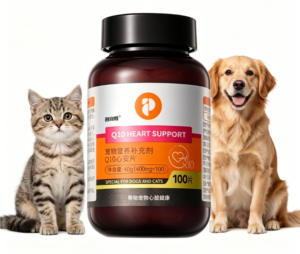
CoQ10 for Dogs and Cats: A Heart-Health Supplement Guide
CoQ10 is a key nutrient for heart-muscle cells and a staple for senior pets and breeds at risk of heart disease. Yet the market is messy—under-dosed, over-claimed products are common. This guide covers who benefits from CoQ10, what to look for on the label, why yeast-fermented source and combined antioxidants (including taurine for cats) matter, and the feeding rules and cautions every owner should know. CoQ10 supports care but never replaces prescribed heart medication.

Dog CoQ10 and Heart Disease: What the Research Points To
Clinical data puts heart-disease incidence in dogs aged 5–8 at around 10%, and early signs—frequent panting, coughing, poor appetite—can progress to pulmonary edema, thrombosis, or kidney strain. CoQ10 fuels the heart muscle and may slow heart failure and hypertrophy, but products vary widely. Knowing what a sound formula looks like helps you choose past the marketing.