Search Results
7 results for “nasal flush”
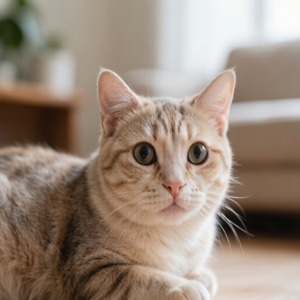
How to Treat Cat Sinusitis
Cat sinusitis is a common respiratory disease that can cause difficult breathing, coughing, head discomfort, and discharge. Treatment centers on controlling the infection—antibiotics such as amoxicillin-clavulanate for bacterial cases, or antiviral drugs like interferon when a virus is involved—plus isolation to protect other cats. Severe cases may need nasal flushing, and surgery if pus builds up and blocks breathing. This article outlines the symptoms, treatments, and home care you should know.

Canine and Feline Otitis Media and Interna
Otitis media and interna are inflammation of the middle and inner ear, usually arising when severe outer-ear infection spreads inward. Left untreated, inner-ear disease can damage balance and facial nerves and, in the worst case, progress to meningitis.

Sinusitis in Dogs and Cats: Symptoms, Treatment, and Prevention
Sinusitis is inflammation of the maxillary, frontal, and sphenoid sinus linings, usually secondary to rhinitis, influenza, or facial trauma. It produces nasal discharge and breathing difficulty and is treated by clearing the sinuses and controlling infection.
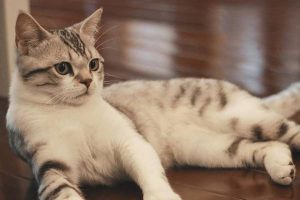
Rhinitis in Dogs and Cats: Symptoms, Treatment, and Prevention
Rhinitis is inflammation of the nasal mucosa, producing congestion, swelling, nasal discharge, and sneezing. It may be acute or chronic and is managed by clearing the nasal passages and treating the underlying cause, often with antibiotics when bacterial.
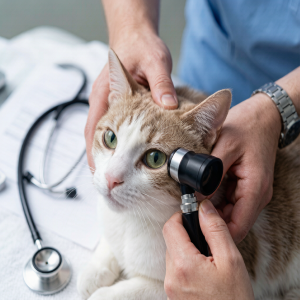
Common Cat Eye Diseases and Care
For cats, impaired eye function affects daily life and can make them irritable from a lack of security.

What to Do When Your Golden Retriever Has a Runny Nose
A runny nose in a Golden Retriever can come from something as simple as a nasal irritant or a seasonal cold, or from something more serious like pneumonia. The right response depends entirely on the cause, so matching the treatment to the trigger matters more than reaching for any one medication.

Cat Sneezing and Has Diarrhea but Acts Normal
A cat that sneezes and has loose stools yet stays lively likely has a mild cause — nasal irritation, a light cold, or a foreign object — rather than something severe. Remove allergens, keep it warm, and don't wait to see a vet if it doesn't improve, especially before three months of age.