Search Results
38 results for “multi-cat”
The Secret Story Your Cat’s Urine Tells
A litter box is a daily health report if you know how to read it. Volume, color, and smell reveal early warnings of kidney disease, diabetes, infections, or bleeding. Tracking frequency, amount, color, and odor helps catch problems before they grow, and gives your vet useful data when something looks wrong.
Diagnosing and Treating Feline Idiopathic Cystitis (FIC)
Feline idiopathic cystitis, or FIC, is a common lower-urinary-tract disease in cats whose exact cause is still unknown, yet it is the single most frequent diagnosis in young cats, affecting roughly 50 to 60 percent of cases. It is linked to a defective bladder lining, nerve-driven inflammation, and stress. Because there is no single definitive test, veterinarians diagnose it by exclusion, using the history, urinalysis, blood chemistry, and ultrasound. Most episodes ease on their own within five to seven days, but treatment focuses on pain relief, protecting the bladder lining, litter-box management, more water, prescription food, and reducing stress.
Health Check and Prep Before Bringing a New Cat Home
Before a new cat comes home, a health check is the smart first step, plus a few daily supplies once it arrives. A pre-purchase exam, blood and stool tests, and X-rays map out the kitten's condition. Then watch for the big early risks: panleukopenia, cat flu, ear mites, and gastroenteritis. Avoid baths or shaving unless a skin issue demands it, since the stress can trigger behavior problems and illness. Knowing the warning signs helps you act fast.
Cat Stress Reactions and How to Ease Them
Stress is the most common feline behavior problem and a driver of many diseases. Triggers include new homes, vet or grooming visits, noise, household changes, and resource competition in multi-cat homes. Signs range from acute fear to chronic hiding, over-grooming, and aggression. Ease stress with a calm space, play, pheromones, and a vet check.
Caring for Your Cat After Spay or Neuter Surgery
Under anesthesia your cat is dazed but inwardly anxious, angry, and fearful, and will rebound once home. Care: stay with it during anesthetic recovery (male cats may not blink—use eye drops); wait at least 6 hours before water and food, then give a quiet, clean space without over-attention; isolate from other cats and keep the E-collar on 7+ days to stop licking; watch for discharge or fever after 2–3 days and see a vet. Post-op prescription cans adds antibiotics and tempts appetite while keeping nutrition balanced (crucial—avoid constipation, especially females). No can? A plain steamed mash of chicken, liver, fish/beef, and egg works; the cat will eat more and may get sleepy and plump, so control portions.
Why Cats Drink With Their Paws
Many owners are puzzled when a cat scoops water with a paw instead of lapping from the bowl, and wonder how to stop it. The habit usually points to something practical: a bowl so narrow it touches the whiskers, water sitting too low, a preference for moving water rooted in wild ancestry, fading eyesight in older cats, or a lack of security that makes the cat watch its surroundings while drinking. Once the real cause is fixed — a wider bowl, fresher water, a fountain — most cats drop the pawing. Gentle, consistent redirection does the rest.
How to Choose a Litter Box
Every cat needs a litter box, and picking the right one keeps your cat using it happily. The basic choice is single-layer (best for clumping litters like clay, tofu, or paper) versus double-layer (for crystal or disintegrating wood litter with a drawer below). Covered boxes add privacy but trap moisture and bacteria, while open ones vent better. Specialty styles include toilet-style trainers, top-entry 'snail' boxes (which can trap kittens or seniors), and self-cleaning planet-shaped units great for multi-cat homes but risky if a cat enters mid-cycle. Whatever you choose, scoop daily and wash weekly — but keep a little old litter so the scent stays familiar.
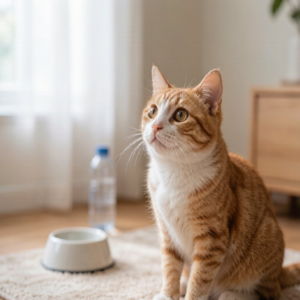
Why Does Your Kitten Swallow Food Without Chewing?
Cats barely chew—and that's normal. Their wild ancestors tore prey into chunks and swallowed fast to avoid theft, and their teeth shear rather than grind. The risks are real, though: eating too fast brings vomiting, choking, and more tartar. Teach chewing with chew treats and slow-feeder bowls, switch to dental kibble or softened food, and give a calm, separate eating spot plus regular toothbrushing to protect oral health.
Why Won’t My Cat Use the Litter Box?
A cat that suddenly stops using the litter box is sending a signal, not being spiteful. The cause is usually the box itself—dirty, cramped, noisy, the wrong litter, or too few boxes in a multi-cat home—or a health issue like constipation, diarrhea, or joint pain. Stress from changes at home is the third big driver. Fix the box and environment first; see a vet if pain or abnormal stool is involved.
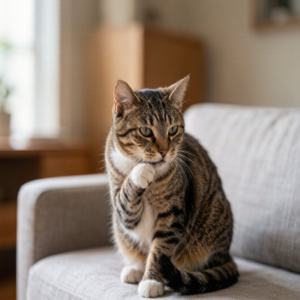
How to Correct Food Guarding in Cats
Food guarding is instinctive, common in roughly one-month-old kittens and stray cats that competed for scarce food. Kittens can be won over by hand-feeding and gentle trust-building; strays need space while eating. Multi-cat homes should feed separately in their own bowls and use play plus treat rewards to lower tension. The goal is to show the cat you provide food rather than steal it.
- « Previous
- 1
- 2
- 3
- 4
- Next »