Search Results
164 results for “mucus stool”

Why Is Your Dog Having Diarrhea
A healthy dog passes formed stool three to four times a day. More frequent, soft, watery, mucus-laced, or bloody stool is diarrhea, a sign of illness rather than a normal variation. Clinically it is split into acute (sudden) and chronic (long-lasting) forms, each with its own common causes.

Megacolon in Dogs and Cats
Megacolon is an abnormal stretching and enlargement of the colon, seen in congenital and secondary forms, that leads to persistent constipation and stool accumulation. Treatment centers on enemas, laxatives, and dietary change, with surgery reserved for severe or obstructive cases.

What to Do If Your Dog Catches Parvovirus (Parvo)
Canine parvovirus (CPV) is a highly contagious, often fatal disease of dogs, especially puppies, causing severe vomiting and bloody diarrhea. Treatment is supportive — fluids, antivirals, and symptom control — alongside vet care. The enteric form (most common) is described here, with a home med list including amoxicillin, probiotics, glucose, and an anti-nausea drug.

Dog Has Diarrhea but Still Acts Fine — What’s Going On?
A dog with diarrhea but normal energy still needs the cause found — usually parasites, a reaction to new food, bacteria, a swallowed object, or a drug side effect. At home, rest the gut with a 12–24 hour fast (water only), then a bland boiled-meat-and-rice diet reintroduced slowly over four days, plus probiotics and fiber; see a vet if it persists or a chronic issue like kidney disease is suspected.

Diagnosing and Treating Canine Parvovirus
Canine parvovirus is a highly contagious acute disease and one of the deadliest threats to dogs, hitting weaned puppies hardest. It takes two forms: the gastroenteritis type (vomiting then tomato-juice-red, foul diarrhea, fever, low white cells) and the myocarditis type (sudden death in young pups from heart failure). It spreads by mouth from infected stool, urine, and vomit, and vaccination is the real defense — isolate any sick dog and disinfect with 2% caustic soda or 10–20% bleach.

Rabbit Diarrhea Caused by Poor Daily Management
Many cases of rabbit diarrhea trace back to everyday husbandry mistakes rather than infection: too much concentrated feed, sudden diet changes, toxic or moldy feed, temperature swings, antibiotic overuse, and overfeeding weak kits. Matching the symptom pattern to the cause helps you fix it fast.
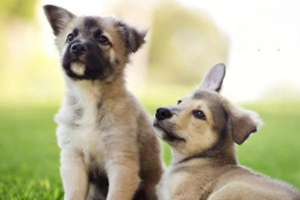
Dog Coronavirus: Symptoms and Prevention
Canine coronavirus starts with lethargy, appetite loss, vomiting, and watery diarrhea, and hits puppies hardest — dehydration, sunken eyes, and, without treatment, death within 1–2 days. Prevention is hygiene: daily kennel cleaning, disinfected bowls and water, colostrum for newborns, and immediate isolation plus vet testing at the first sign.

Why Dogs Get Picky in Spring (and What to Do)
Spring warmth spoils food fast and the mating season dulls appetite, so picky eating in dogs often points to gastritis, poor digestion, too many treats, parasites, or a cold. Rule out illness first, then tighten up diet, deworming, and warmth.

How to Tell If Your Cat Is Sick
A sick cat hides its discomfort, so the earliest clues are changes in sleep, litter-box habits, appetite, weight, coat, and water intake. Red flags such as vomiting, diarrhea, labored breathing, a head tilt, or straining to urinate need a vet, and routine checks also catch fleas, hairballs, hyperthyroidism, diabetes, and urinary disease.

How to Prevent Rabbit Gastroenteritis
Rabbit gastroenteritis can kill within hours to days, especially in kits, so prevention beats treatment. Feed clean, regular, balanced meals; avoid spoiled or frozen food and over-rich concentrates; treat bloat early with vinegar or herbal tinctures; and keep the hutch dry and the rabbit moving to avoid constipation.