Search Results
8 results for “mouth-open breathing”
Symptoms of Heart Disease in Cats
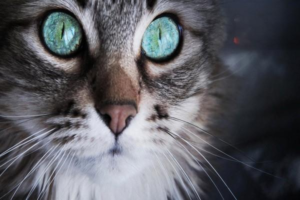
A US study found 16% of seemingly healthy cats hide heart disease. Key warning signs: mouth-open breathing, strong chest/belly movement, sudden hind-leg paralysis from arterial clot, and fainting. Act fast at any of these.

Cat Asthma (Allergic Bronchitis)
Cat asthma — allergic bronchitis — is a chronic airway disease from allergens like pollen, dust, smoke, and perfume. It cannot be fully cured but, well managed, does not shorten life. Learn the mechanism, signs, and diagnosis.

What Is Feline Hypertrophic Cardiomyopathy?
Feline HCM is a common, life-threatening heart disease whose signs range from none to sudden collapse. Learn its symptoms, known causes (genes, thyroid, blood pressure), and how it is diagnosed.

Yes, Cats Get Heart Disease Too
About 15% of house cats have heart disease, and HCM makes up ~80% of cases. It thickens the heart wall and can end in failure or sudden death. Early detection is everything — and cats hide their sickness well.

Symptoms of Hypertrophic Heart Disease in Cats
Feline HCM is common in breeds like Burmese and Ragdolls. Early signs are subtle — breathing trouble, low appetite, tiredness — while late signs include heart failure, blood clots, and sudden death. Learn what to watch for.
Symptoms of Cardiomyopathy in Cats
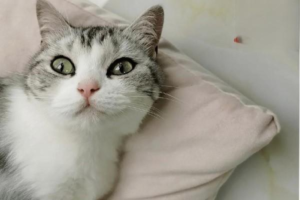
The three types of feline cardiomyopathy share similar signs — all lower the heart's pumping power and end in failure. Spotting fast breathing, blue gums, weak pulse, or sudden collapse early can save your cat's life.
My newly bought rabbit won’t eat or drink and keeps its mouth open showing lower teeth—what is wrong?
A rabbit not eating or drinking and breathing with an open mouth has many causes: respiratory disease like pneumonia, upper-respiratory infection, or sinusitis, with sneezing, runny nose, and red eyes; dental problems like overgrown, misaligned, or decayed teeth cause pain and refusal to eat; or other issues like digestive, liver, or heart disease. See a vet if it continues with other signs.
What Reactions Occur When a Cat Lacks Oxygen?
An oxygen-deprived cat shows rapid, difficult breathing, possibly panting or mouth breathing. Prolonged deprivation causes weakness, stiffness and even suffocation, so move it to fresh air immediately.