Search Results
84 results for “mortality”

Can an Older Cat Have Surgery for Pyometra?
Pyometra is a life-threatening uterine infection in cats; surgery (ovariohysterectomy) is the definitive cure for both open and closed types. In seniors, higher anesthesia and comorbidity risk means the decision hinges on the cat's health—not age alone—with conservative hormone therapy as a last resort. Spaying is the best prevention.

How to Disinfect Your Home After a Dog Has Parvovirus
After a dog is diagnosed with parvovirus, thorough home disinfection is essential to protect other pets. Use UV light, high-temperature washing, alcohol or potassium permanganate wipes, vet-approved disinfectants, and daily ventilation, repeating for at least six months.

What Germs Do Stray Dogs Commonly Carry?
Stray dogs live in harsh conditions and meet many pathogens, often carrying viruses with no outward signs because they haven't fallen ill. Rabies, leptospirosis, distemper, and parvovirus are common and often fatal, and some are zoonotic, transmissible to people. Rabies spreads through saliva, leptospirosis through contaminated water or soil, distemper through air and contact, and parvovirus through urine, feces, and saliva, especially deadly to puppies. Stray feces can also hold parasites and bacteria like mange mites, demodex, fungi, and echinococcus (hydatid disease). If you rescue a stray, wear gloves and a smock, and get a full vet check, blood, stool, and skin, before bringing it home, while keeping your own pets vaccinated.
What is the most effective treatment for canine parvovirus?
Parvovirus treatment centers on antivirals, controlling secondary infection, correcting acidosis and electrolyte imbalance, plus supportive care. The course runs 5-7 days and carries real mortality, so routine vaccination remains the best prevention.
What are the symptoms when a dog has parvovirus?
Parvo signs include lethargy, reduced appetite, persistent vomiting, diarrhea, fever around 40 C, and dry nose, with projectile diarrhea and bloody stool in severe cases. Mortality in puppies is 25 to 50 percent, so see a vet early.
How to Tell If a Dog Has Parvo
Parvo (CPV) causes vomiting, diarrhea (often bloody), appetite loss, fever, and dehydration, especially in unvaccinated puppies. Suspect it with those signs, check for contact with sick dogs, and confirm with a fecal or blood antigen test. Treatment is isolation, symptom control, fluids, and antibiotics to prevent secondary infection.
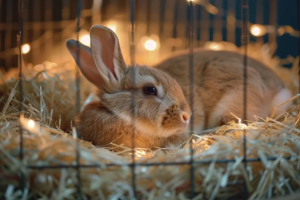
How to Prevent Rabbit Hemorrhagic Disease (Rabbit Fever)
Preventing rabbit hemorrhagic disease relies on four pillars: management, vaccination, cross-infection control, and emergency response. Strict sanitation, regular single-strain vaccination, quarantining new rabbits, and banning visitors and stock from infected areas sharply cut outbreak and death rates.
The Effects of Hamster Inbreeding
Inbreeding hamsters is risky: it raises the chance of inherited disease and genetic defects, lowers genetic diversity so offspring get sick more often, and tends to produce weaker, less intelligent pups with higher death rates and reduced fertility. The main reason breeders do it is to lock in a pure bloodline, but the uncertainty is high. For home keepers, the safe choice is to avoid inbreeding entirely, separate males and females into different cages, and if you do plan a litter, pick two healthy, unrelated hamsters and breed them between 5 and 10 months of age.
What Happens When a Cat Lacks Taurine?
Taurine is a nutrient cats cannot make on their own—they must get it from food, so a shortfall quickly harms health. It is vital for eyes and heart: deficiency degenerates the retina and causes irreversible blindness, and it is a leading cause of dilated cardiomyopathy, which improves if caught early but worsens without it. Taurine also powers metabolism and immunity, aids digestion by boosting stomach acid and protein absorption, and supports reproduction—a deficient pregnant cat risks weak, slow-growing, high-mortality kittens. Because cats can't synthesize it, feed taurine-rich foods like organ meat, muscle, and some seafood.
What to Check When Buying a Purebred Poodle Puppy
Purebred and mixed poodles can look very similar as puppies, so choosing a healthy, well-bred young dog takes a careful eye. Beyond coat and conformation, the real signals of a good puppy are its skin, eyes, body, family history, and vaccination record. Here is a practical checklist before you bring one home.