Search Results
612 results for “morning”

5 Common Mistakes to Avoid When Walking Your Dog
Walking is one of the simplest ways to keep a dog happy and healthy, but the wrong approach can do more harm than good. From erratic schedules to walking in extreme heat, a few common habits put unnecessary strain on your dog's body and safety. Here are five mistakes to leave behind.

What to Know Before and After Spaying or Neutering Your Pet
Spay and neuter surgery is routine but still deserves careful preparation. Picking a trusted clinic, fasting beforehand, and running pre-op tests keep anesthesia safe, while post-op care around wounds, food, and an Elizabethan collar protects a smooth recovery. This guide walks owners through the whole journey, from booking to stitch removal.
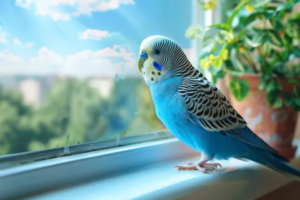
Can a Sulfur-Crested Cockatoo Learn to Talk?
Sulfur-crested cockatoos can learn to talk, but their mimicry is weak compared with other parrots, and they manage only simple words. Training takes patience and works best when started young, around two months. Train in the early morning when the bird is active and hungry, use food rewards, keep the room quiet, and begin with short phrases like 'hello' or 'thank you,' repeating the same line daily until learned. A recorder can help. These loud, large birds also need a roomy, sturdy cage and a calm home to stay healthy.
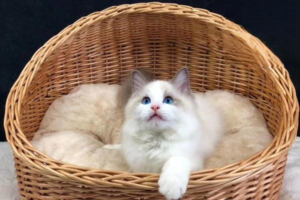
Why Do Cats’ Eyes Glow in the Dark?
The ancient Egyptians believed cats trapped the setting sun's light in their eyes until morning; the Greeks thought a flame flickered inside. The real reason is a layer called the tapetum lucidum behind the retina. It reflects light back through the retina, giving the light-sensitive cells a second chance to catch it, which is why cats see far better than us in dim light. The glow is usually green or yellow, and many other animals share this trick.

Is Your Cat Really Calm at Night?
Not quite. After you fall asleep, cats often stay busy in four ways: curling up to sleep with you, quietly staring (and waiting to bat your feet), zooming around the house, or silently causing mischief. The good news is that most calm down into lazy adults as they grow.

Leash Training Your Shiba Inu for Walks
Walking is a Shiba's daily must-do—exercise, mood relief, and key socialization. Adults need about an hour a day, ideally twice, with varied routes and flexible times (avoid midday summer or cold dawns). On meeting other dogs, keep the leash short and pass calmly, or ask for 'sit/down' to ease tension; let them greet by sniffing rear ends before facing each other. Teach loose-leash walking with 'come', rewarding calm steps; never yank the leash—Shibas pull against pressure. Before vaccines, carry the pup for 'preview' walks wearing a harness.

How to Help a Fat Cat Lose Weight
Obesity invites diabetes, hypertension, heart disease, and fatty liver. The key is diet: cats run on protein and fat, not carbs, and high carbs block protein absorption and shrink muscle (sarcopenia), which slows metabolism and worsens weight gain. Skip 'light' kibble that cuts weight by burning muscle; feed high-protein (45%+), low-carb wet food instead. Split meals into set mealtimes, calculate intake to 60–80% of resting needs for very fat cats, and keep them active.

How to Choose a Litter Box
Every cat needs a litter box, and picking the right one keeps your cat using it happily. The basic choice is single-layer (best for clumping litters like clay, tofu, or paper) versus double-layer (for crystal or disintegrating wood litter with a drawer below). Covered boxes add privacy but trap moisture and bacteria, while open ones vent better. Specialty styles include toilet-style trainers, top-entry 'snail' boxes (which can trap kittens or seniors), and self-cleaning planet-shaped units great for multi-cat homes but risky if a cat enters mid-cycle. Whatever you choose, scoop daily and wash weekly — but keep a little old litter so the scent stays familiar.

Common Bad Habits in Cats (and How to Fix Them)
Cats aren't perfect, and they can pick up habits that frustrate owners—nighttime zoomies, ignoring their name, play-biting, scratching the furniture, and sleeping too much. The good news is that most are manageable. Reset the sleep schedule by wearing your cat out before bed; build name recognition and reward-based training at mealtimes; curb biting by never using your hands as toys and firmly scolding attacks; provide scratching posts and wrap table legs in rope; and encourage exercise, even leash walks, to prevent obesity. Fix habits early so neither your furniture nor your cat's health suffers.
How should you exercise a Chinese hwamei bird (thrush)?
A hwamei bird can be taken out for exercise in the morning and evening, once a day. Avoid an overly rigid schedule so the bird does not become dependent on it, and the best time is within two hours after dawn when the bird is most active — feed him first, then take him out.