Search Results
34 results for “milk replacer”

What Medicine Can a Hamster with a Cold Take?
In cold winter weather, people easily catch colds, and hamsters — animals that fear the cold — can also catch colds as temperatures drop. Here is what you need to know about hamster colds.

Feeding Kits Scientifically to Prevent Low Blood Sugar
Adult rabbits rarely go into low blood sugar or shock, but kits are most at risk because they need more nutrition. If a kit already shows symptoms, a vet trip is often too late - owners must give first aid. Here are the measures.

Medications for Rabbit Mastitis and Yellow Urine Disease
Yellow urine disease in kits is easy to treat if caught early. Common drugs include gentamicin and chloramphenicol. Here is how to use them and how to prevent the disease.

Is Your Hamster Sneezing? Could It Be a Cold?
Hamster sneezing is not always a cold - it can also come from allergies, inhaled dust or food powder, or a nasal injury. Only if those are ruled out, with signs like nasal discharge, droopy ears, and lethargy, is it likely a cold needing prompt veterinary care.
What Medicine for a Hamster’s Cold, How to Feed, and What Dosage?
A hamster cold can be helped with isatis root granules, quinolone antibiotics, or pet cold medicine, plus warmth. Isatis root with a little honey, 1 grain 3 times daily.

How to Care for a Puppy
A puppy's body is fragile and it lacks self-care, so it needs devoted attention. Managing a puppy centers on two things: controlling the environment temperature and stimulating elimination. Here is how to raise and manage a puppy.

What to Do When a Nursing Cat Has Engorged Breasts
A nursing cat can develop swollen, painful breasts when kittens do not nurse enough, milk overproduces, or hormones shift. Massage, warm compresses, and slightly lighter feeding help; if it worsens, see a vet to avoid mastitis.

How Many Meals a Day Should Your Dog Eat, and How Much?
Feeding rhythm matters as much as the food itself. Puppies under a year need four down to three small meals a day to fuel growth without overloading the gut; adults do well on two; seniors return to three. Adjust for obesity, high activity, or sensitive stomachs. Portion size follows the bag's guide, then fine-tunes with stool quality, body size, and exercise. Match the plan to the dog, and you've got it right.
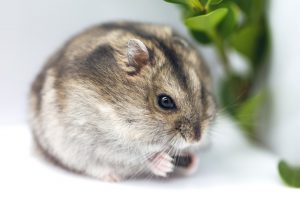
Winter White Dwarf Hamster
The Winter White Dwarf Hamster (Phodopus sungorus), also called the Djungarian hamster or Russian dwarf, is the easiest and tamest of the small hamsters and turns white in winter. A solitary species, it needs a safe cage, a wheel, and a careful diet free of onion, chocolate, and apple seeds. Lifespan 2–3 years.

Pudding Hamster
The Pudding Hamster is a popular pet variety named for its pudding-yellow coat. Gentle and easy to handle, it is heat-sensitive, territorial, and can nip — so wash your hands before handling and never co-house it. It lives 1–3 years and needs steady 20–28°C and careful, chew-safe feeding.
- « Previous
- 1
- 2
- 3
- 4
- Next »