Search Results
5 results for “methylene blue”
Can methylene blue be added directly to a fish tank?
Methylene blue can be added directly to the tank; it kills bacteria and parasites and treats fungal water mold, with low toxicity. For tank-wide illness dose the whole tank; for one or two sick fish use a separate bath.
What Is Canine Methemoglobinemia
Familial methemoglobinemia is an inherited defect in the enzyme that converts methemoglobin back to normal hemoglobin, so a dog's blood carries less oxygen. The hallmark is a persistent bluish discoloration of the gums and chocolate-brown blood. Most affected dogs live for years with few signs, but oxidant exposure can turn it dangerous.
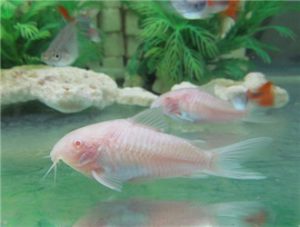
White Corydoras
The White Corydoras is native to South American waters and is now mostly captive-bred. An albino form of the Bronze Cory, it has a milky white body with clear red eyes, is gentle, and is kept in schools. Egg-laying and good with small fish, it suits planted tanks as a bottom fish.

Sulfonamide Antibiotic Poisoning in Dogs and Cats
Sulfonamide antibiotics can poison sensitive pets or when overused, causing nervous signs, urinary crystal problems and blood-cell disorders such as anaemia. Stopping the drug, flushing the urine and supportive care are the main steps.

Nitrite Poisoning (Methemoglobinaemia) in Dogs and Cats
Nitrites convert red blood cells' oxygen-carrying pigment into methaemoglobin, so tissues are starved of oxygen. Poisoned pets turn blue, seize and can die within minutes; a specific dye antidote reverses it.