Search Results
39 results for “mental stimulation”

Types and Signs of Mental Illness in Dogs
Dog mental illness takes many forms — separation anxiety, depression, mania, social phobia — with differing signs and treatments, but affected dogs usually show odd behavior and a changed mental state. If you suspect a problem, get a full vet check to rule out physical causes, then follow the vet's plan.

Why Has My Dog Suddenly Become Aggressive?
A dog that turns aggressive out of the blue is often reacting to a health problem, environmental change, poor training, over-excitement, or a lack of mental stimulation. Pain and illness are common triggers, so check the dog's body first and seek veterinary care if anything seems off.
What is the Springer Spaniel’s temperament?
The Springer Spaniel is friendly, energetic, and eager to please, making it a good family and working dog. It is intelligent and trainable but needs plenty of exercise and mental stimulation.

Do Cats Get Bored Staying Indoors?
Indoor cats are usually content at home and don't need walks, but they can grow bored or stressed when an owner rarely interacts with them. Preventing this means offering enough space and toys for self-play plus daily one-on-one time for play and affection. A dedicated quiet retreat and simple food-finding games add valuable mental stimulation.
Dog Has Too Much Energy? Try These Tricks to Tire It Out
Excess energy usually means too little exercise and too little mental stimulation — common in working breeds (Border Collie, Husky, Corgi, Shiba) and puppies. Match activity to size: small dogs 40–60 min, medium-large 1.5–2 h, large/high-energy two 1–1.5 h walks. Indoors, use sniffing hunts, food puzzles, short training, and tug to burn it off.

Why Do Cats Like to Rummage Through Trash Cans?
Cats raid trash cans out of hunting instinct, for comfort and security, and for physical and mental stimulation. But it risks poisoning or injury from unsafe items, so keep bins out of reach and discourage the habit.
How Cats Eat and Drink: Healthy Habits
In the wild a cat eats up to twenty small meals a day, so free access to food suits its nature better than one or two big bowls. Feeding a single staple with the occasional treat, using puzzle feeders for mental stimulation, and placing water bowls away from food all mirror feline instinct. This guide covers sensible feeding and safe drinking setups for indoor cats.

Papillon Temperament and Care
The Papillon is a small, elegant European breed named for its butterfly-like ears. Weighing just 3 to 5 pounds, it has a soft, flowing coat in white, black, brown, or patterned colors. Despite its size, the Papillon is lively, affectionate, and highly intelligent. These dogs bond closely with their families, greet strangers kindly, and adapt to apartments or houses alike. They are quick to learn and enjoy training, games, and companionship. Because they are active and curious, they need daily exercise, mental stimulation, and regular grooming. A balanced diet, routine veterinary checks, and social interaction keep a Papillon healthy and happy. With the right care, this bright little companion becomes a devoted, joyful member of the household.
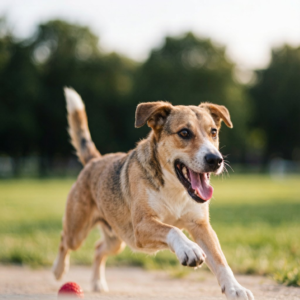
6 Signs Your Dog Isn’t Getting Enough Exercise
A dog's exercise need depends on breed, age, and size. Some dogs play hard outdoors daily; others only stroll the neighborhood—but every dog needs a sensible amount of activity. So how do you know yours is under-exercised? Watch for six signs: destruction (a normally calm adult wrecking the home needs an outlet, not a beating); rough play (an usually gentle dog throwing its whole weight around with others); obesity (too much food, too little movement—common in seniors, though sudden weight gain can signal illness); restlessness (pacing at night, especially in small breeds that still need 10–20 minutes of indoor play); excessive barking (pent-up energy venting as noise); and lethargy (a depressed, uninterested dog). Puppies need several 5–10 minute sessions; adults 30–60+ minutes (or under 30–60 for low-need breeds); seniors 2–3 sessions of about 30 minutes. Remember: for most dogs exercise is a walk, but don't ignore mental stimulation—especially for dogs that can't go out.

Is the German Shepherd Suitable for First-Time Owners?
The German shepherd is generally not ideal for beginners. It is highly intelligent and active but can be challenging without solid knowledge and experience, and it needs firm, patient training plus proper socialization. Owners must commit real time and energy to exercise and mental stimulation, understand its inherited risks such as eye disease and hip dysplasia, and provide a safe home where all family members get along with the dog. Calmer, easier breeds suit first-timers better.