Search Results
38 results for “mental stimulation dog”

6 Signs Your Dog Isn’t Getting Enough Exercise
A dog's exercise need depends on breed, age, and size. Some dogs play hard outdoors daily; others only stroll the neighborhood—but every dog needs a sensible amount of activity. So how do you know yours is under-exercised? Watch for six signs: destruction (a normally calm adult wrecking the home needs an outlet, not a beating); rough play (an usually gentle dog throwing its whole weight around with others); obesity (too much food, too little movement—common in seniors, though sudden weight gain can signal illness); restlessness (pacing at night, especially in small breeds that still need 10–20 minutes of indoor play); excessive barking (pent-up energy venting as noise); and lethargy (a depressed, uninterested dog). Puppies need several 5–10 minute sessions; adults 30–60+ minutes (or under 30–60 for low-need breeds); seniors 2–3 sessions of about 30 minutes. Remember: for most dogs exercise is a walk, but don't ignore mental stimulation—especially for dogs that can't go out.
What happens when a dog is frightened?
A frightened dog typically shows nervousness, fear, mood swings, depression, and loss of appetite, and in severe cases may develop stress responses like vomiting and diarrhea. Immunity also drops after a scare, so comfort the dog, reduce environmental stimuli, and support its nutrition and immunity.
Why does my dog want to eat grass?
Dogs eat grass for several reasons: boredom or stress from too little exercise or stimulation, mild stomach upset, a need for fiber, or a nutritional deficiency that causes pica. Occasional grass-eating is usually harmless, but frequent eating with other symptoms warrants a vet check.
What Happens If You Never Walk a Dog?
No walks means no energy outlet - weight gain, weaker joints, and boredom that can turn into chewing, barking, over-grooming, or inappropriate urination. Regular exercise matters for body and mind.
Tips for Caring for an Older Dog
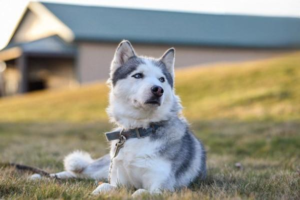
Age is not a disease, but senior dogs need help: add rugs for traction on slick floors, raise food bowls to shoulder height, keep them cool in summer, use car ramps and indoor steps, give an orthopedic bed, and keep both body and mind active with short outings and new games.

What to Do If Your Cat Eats Grass
Scientists can't agree on the single reason cats and dogs eat grass, but several theories exist. It may just differ by animal. Here are some possible answers.

Bedlington Terrier
The Bedlington Terrier is a graceful, lamb-like British terrier with a distinctive pear-shaped head and crisp, nonshedding coat. Beneath its gentle looks lies a bold, brave and tireless sporting dog that thrives on exercise and makes a devoted family watchdog.
How intelligent is the Belgian Malinois?
The Belgian Malinois is a smart, agile, energetic working dog ranked 22nd in canine intelligence, often trained as police, military, search, or herding dog. It obeys well and learns fast, but needs plenty of exercise and mental challenge to stay healthy.
How good is the Doberman at guarding the home?
Doberman is smart, loyal, brave—great guard dog. Naturally alert/keen, recognizes strangers' voices/smells, reacts fast to warn. Very brave even facing danger; protects owner/territory decisively, fearlessly. But as a working dog needs enough exercise/mental stimulation; lack leads to boredom, anxiety, behavior issues.
What is the Miniature Pinscher like?
The Miniature Pinscher is a small, agile, lively, and highly alert dog. They are very intelligent, loyal, and brave, and make excellent companion dogs. They suit active families or experienced dog owners, as they need plenty of exercise and stimulation to stay physically and mentally healthy.
- « Previous
- 1
- 2
- 3
- 4
- Next »