Search Results
97 results for “medicated shampoo”
How is the Jindun medicated antifungal shampoo?
Jindun medicated antifungal shampoo contains natural plant antimicrobials that penetrate follicles to inhibit fungi and mites and boost skin tolerance. Feedback is good, but pair it with oral or topical antifungals rather than relying on shampoo alone.

Types of Pet Shampoo and How to Choose
Pet shampoos fall into all-purpose, color-enhancing, volumizing, dry-powder, and medicated types. Choose by your dog's coat and skin (ask a vet if unsure), favor natural extracts, and check ingredients—aloe for moisture, oatmeal to relieve itch, vitamin E for elasticity.

How to Bathe Your Pet Safely, Including Medicated Baths
A proper bath means guarding the ears with cotton, securing an unwilling pet on a leash, shampooing the whole coat except the eyes and scrotum, rinsing fully, and drying thoroughly. For medicated baths, concentration and contact time are the decisive factors: too strong is toxic, too weak or too brief is useless.

Medicated Baths for Dog Folliculitis: Which Product to Use
Mild folliculitis in dogs does not require a medicated bath, but when the affected area is large an antibacterial medicated bath is needed. The right product depends on the underlying cause — bacterial, fungal or parasitic — so a veterinary exam, often a skin scraping, should guide the choice.

Types of Pet Shampoo and How to Choose the Right One
Pet shampoos vary in function, so pick by your pet's needs. This guide lists shampoo types—general, conditioner, dry foam—and function types—color-enhancing, volumizing, medicated—plus how to choose by foam, pH, packaging and scent.

How to Treat Cat Skin Disease
Cat skin disease includes bacterial, fungal, parasitic, metabolic, and immune types. Treatment is local (medicated wash, clipped fur, ointment) or systemic (oral drugs); good sunlight and medicated shampoo aid recovery.
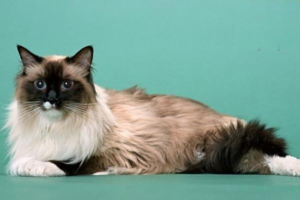
What Medicine Effectively Treats Stud Tail in Cats
Stud tail is treated with medicated shampoo plus topical antibacterial spray for mild cases; folliculitis or cellulitis need progesterone, chlorhexidine, and antibiotics. Neutering gives a complete cure and prevents recurrence.
My dog is losing a lot of fur and has become very thin
Heavy shedding with weight loss often points to a mite infestation (demodectic or sarcoptic mange). A vet exam is needed to confirm, then treatment with medication, medicated shampoos, and dip therapy such as ivermectin.

Why Is the Skin Around My Cat’s Mouth Red?
Redness around a cat's mouth is a sign of skin trouble, usually falling into one of three types: allergic, fungal or parasitic. Match the treatment to the cause—soothe allergies, fight fungus with an antifungal spray, ointment and medicated shampoo, or control parasites. A vet confirms unclear cases.

What to Use for a Cat’s Skin Infection
Most cat skin problems are fungal, thriving in contaminated environments and among cats with weaker immunity. Treatment means disinfecting the home, stopping the cat from licking sores, and applying antifungal ointment and spray to clipped, cleaned patches. A medicated shampoo supports bathing during recovery.