Search Results
121 results for “meat first”
What to Do If Your Turtle Eats Only Meat and Rejects Pellets
A turtle that refuses pellets for meat usually has a taste preference or a digestion issue, but long-term meat eating risks gut inflammation, pickiness, malnutrition, and fatty liver. First check that the pellets are fresh and clean, or try a different brand, shape, or flavor—always soak pellets in water so the turtle can swallow. You can also change the routine: more swimming time and sunlight boost appetite. The firm fix is 'starvation training'—offer only pellets, no meat, until hunger wins. If nothing works, or you're unsure the turtle needs food, consult a veterinarian for a tailored plan.
Recipe: Raw Chicken Cat Food (with Bone Meat)
Raw chicken cat food is the most accepted homemade meal — even cats that turn up their nose at beef, lamb, or rabbit will eat chicken, and it is gentle on the wallet. The base is chicken thigh and breast (about 80%), with heart, liver, and gizzard for organs, then a short list of supplements: taurine, calcium, a multivitamin, a little vegetable-and-fruit puree, alfalfa and kelp powder, probiotics, and salmon oil. Dice the meat, stir everything together, portion one meal and freeze the rest. It takes under ten minutes.
Recipe: Cat Meatball “Tangyuan” Treats
These little meat "tangyuan" (dumplings) are a fun, simple cat-meal topper. Blend beef, chicken, and tuna into separate pastes for different flavors, roll each into a firm ball by tossing between your hands, then boil in gently simmering water for two to three minutes. Slice them open before serving — the cut releases more aroma and improves palatability — and always let them cool to a comfortable temperature first. Suitable for cats over one month old.

How Fat Is Too Fat for a Cat, and Does Meat Make Cats Fat?
Judging whether a cat is overweight comes down to body shape, not the number on a scale — breeds and builds differ, so compare body condition, not weight. Using a 1–10 body-condition score, you can feel the spine and ribs and watch the waistline: 1–2 is very thin, 5–6 ideal, 9–10 obese. A cat's saggy belly 'primordial pouch' is normal and not a sign of fat. As obligate carnivores, cats digest meat efficiently and grow lean and strong on it; what causes obesity is hard-to-digest, starchy, sugary food — not meat.
How to Choose a Staple Canned Food for Your Cat
Cats often prefer juicy canned food to dry kibble, and with so many products on the shelf, choice should go beyond taste to what actually benefits the body. A good staple can should lead with meat, list no grains or filler gums, and carry useful extras such as green-lipped mussel for joints or controlled additives. High meat content (around 90 percent or more) with balanced protein supports muscle, while a little added fiber can help cats with soft stools. Reading the label for meat percentage, gum and grain content, and supplement profile is the reliable way to pick a healthy everyday can.
CoQ10 for Cats: How to Choose and Use It
Cats enter old age after 7, when heart disease affects a large share of the population, and their own CoQ10 production falls below half of youth levels. For breeds prone to hypertrophic cardiomyopathy, veterinary-guided CoQ10 is common supportive care. This guide explains why cats need CoQ10, the market pitfalls to avoid—false potency, conceptual add-ons, and fake credentials—and the three basics of choosing a product, plus feeding rules and cautions. CoQ10 supports care but never replaces prescribed heart medication.
When Is the Best Time for a Cat to Develop Fuller Cheeks
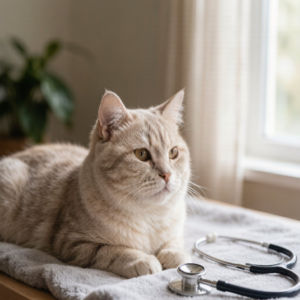
Whether a cat develops those rounded, full cheeks (often called "face fluff") depends mostly on sex, genetics, and breed. Female cats rarely fill out this way; it is usually intact male cats that do. Breeds such as the British Shorthair, American Shorthair, Exotic Shorthair, Persian, Chinchilla, and orange tabby are naturally prone to it, while hairless cats, Devon Rex, Russian Blue, Siamese, Oriental, and calico domestic cats tend to stay slender-faced. Most male cats begin filling out between six and eight months of age, and a son of a full-cheeked father is more likely to follow suit. Good nutrition during this window makes the difference.
Choosing a Cat Dewormer: Why Combination Spot-Ons Suit Multi-Cat Homes
For mostly-indoor cats, a broad-spectrum, gentle combination spot-on is the most cost-effective and stress-free choice—and because most cats hate pills, a transdermal drop avoids force-feeding and the anxiety it causes, which is ideal for beginners and multi-cat households. Useful active types include imidacloprid-moxidectin (prevents a dozen-plus internal and external parasites and heartworm), fipronil-methoprene-eprinomectin-praziquantel (adds tapeworm and tick coverage for outdoor or raw-fed cats), and selamectin (very gentle from six weeks, pregnancy-friendly). In a multi-cat home the real work is operational: deworm all cats together, dose strictly by weight, use an Elizabethan collar and separation to stop licking, and avoid baths 48 hours around treatment. Above all, prevention beats treatment.
What to Do When You Bring Home a Found Kitten
Finding a stray kitten is tempting to take home right away, but the right sequence protects both the kitten and your household. Because strays can carry parasites, panleukopenia, or ringworm—some transmissible to other pets and people—the first step is a veterinary check-up before the kitten enters your home; treat any illness in the clinic first if needed. At home, set up a quiet, enclosed room with a litter box, water, and food so the kitten feels safe, and avoid bathing it, which can trigger stress and illness. Ease the diet in with plain food and probiotics rather than rich treats. If you have resident cats, isolate the newcomer for 7–15 days, then slowly mix scents before supervised meetings. Finally, deworm and vaccinate (FVRCP and rabies) after a short settling period.

How Many Kits Does a Rabbit Have Per Litter?
A rabbit can give birth to 3 to 12 kits per litter, with 6 to 8 being most common. But reproductive ability is shaped by many factors, including breed, age, health, and climate. Owners who plan to breed should learn the rabbit's reproductive traits and provide proper care, nutrition, and a suitable environment so the doe is in the best condition to raise a healthy litter.