Search Results
103 results for “mating ratio”

Symptoms of Leptospirosis in Pets
Leptospirosis is a zoonotic infection of dogs and cats caused by pathogenic Leptospira, often silent but marked by fever, jaundice, anemia, edema, hemoglobinuria, bleeding, and in severe cases kidney and liver failure. It spreads through urine, contaminated water, and bites, peaks in warm wet seasons, and is diagnosed by signs plus kidney and liver damage. Prevention is vaccination and rodent control; treatment is antibiotics plus supportive care, avoiding streptomycin when kidneys are involved.

What Spay/Neuter Surgery Is — and Why Cats Should Be Neutered
Spay/neuter is a routine surgery that removes a cat's reproductive organs to prevent breeding and curb hormone-driven behavior. Males get a quick scrotal incision; females need a flank or abdominal incision to remove the uterus and ovaries. The benefits include fewer stray cats, lower reproductive-disease risk, and far less spraying, yowling, and fighting.
Can a Spayed Cat Grow Ovaries Back?
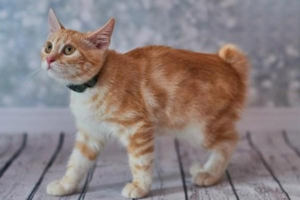
Can a spayed cat grow ovaries back? In general, no. If a spayed cat appears to grow ovaries again, it may be that the previous spay surgery did not remove the ovaries completely, causing the cat to go into heat again.

Can a Dog Be Gay?
Today we discuss whether a dog can be gay.

Tips for a Safe Road Trip with Your Dog
Driving home with your dog for the holidays? Pack a safety kit, use a pet seat belt, avoid toxic foods like chocolate and grapes, and protect nervous dogs from fireworks. Good preparation keeps the trip safe for everyone.

Common Infectious Diseases in Cats
This issue summarizes 8 common feline infectious diseases; here is a brief introduction.

Six Key Points for Breeding Rabbits in Summer
Summer breeding needs care: mate does below 25°C at cool times, keep bucks at about one mating a day, set first-mating age at 5 to 7 months by size, pair similar-aged adults, and use repeat or double mating to lift conception. Put the doe in the buck's cage, never the reverse.

Things to Note for Autumn Rabbit Breeding
Autumn is a high-fertility season for rabbits, so prepare early: mate does below 25°C at cool times and in mid-to-late heat, keep first mating at 5–6 months by size, use prime adults, limit bucks to about one mating a day, hold condition and nutrition steady, and use teasers or an estrus powder for does that will not cycle.
How to Manage a Breeding Buck Rabbit
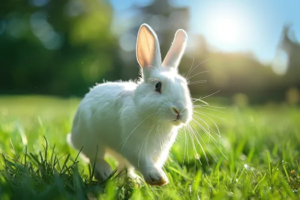
A breeding buck must be purebred, healthy, and produce high-quality semen, which requires complete nutrition, proper body condition (about 70 to 80 percent fill), and rational use, roughly a 1:8 to 10 buck-to-doe ratio with limited daily matings. House bucks singly, mate in the buck's cage, and check reproductive health before each pairing.

How to Feed Rabbits Fresh Greens Properly
Fresh greens benefit rabbits—they help prevent disease, control body condition, and counter heat and humidity—but must follow three rules: feed little and often, pair with concentrated feed for energy, and serve fresh rather than cooked.