Search Results
374 results for “mating age”

What to Feed Your Cat at Each Life Stage
A cat's nutritional needs change at every stage, from colostrum and mother's milk in the first weeks to softened kibble and formula through the kitten months, then balanced adult food with toppers. Seniors and pregnant or nursing queens need easy-to-digest, calorie-dense meals — matching food to age protects digestion and supports steady growth.

At What Age Should Dogs Stop Breeding?
Most veterinarians advise retiring a female dog from breeding around age 6, since fertility and fitness decline with age and the risk of difficult labor rises — small breeds may go longer, large breeds reach their limit sooner. Males have no hard cutoff but their fertility and drive fall with age, so pacing matings protects both body and mind; always plan with a vet, because too-frequent breeding raises the bitch's risk of pyometra and miscarriage.

How to Assist Rabbit Mating and Pregnancy Checks
Successful rabbit breeding depends on timely, supervised mating—move the doe into the buck's cage at mid-estrus and return both rabbits afterward. Pregnancy is best confirmed by careful abdominal palpation 8–10 days post-mating. Good technique directly raises your herd's reproduction rate and profitability.

Why Do Hamsters Fight Their Cagemates?
Hamsters are solitary by nature and rarely live peacefully with others; fights break out during a buck's constant heat, after a doe becomes pregnant, between same-sex pairs over territory, when food runs short, or when a sick or disabled hamster is picked on. The safest fix is one hamster per cage.

Hamster Breeding Guide (Part 1): Preparation and Mating
Successful hamster breeding starts with one-cage-per-hamster housing and avoiding inbreeding or forbidden pairings. Breed does aged 4–7 months after a week of nutritional conditioning, and watch body-language cues to time and confirm mating.

How to Manage a Breeding Buck Rabbit
A breeding buck must be purebred, healthy, and produce high-quality semen, which requires complete nutrition, proper body condition (about 70 to 80 percent fill), and rational use, roughly a 1:8 to 10 buck-to-doe ratio with limited daily matings. House bucks singly, mate in the buck's cage, and check reproductive health before each pairing.

How to Judge a Hamster’s Development Stage
Track a hamster's development by birth date, weight, and size. Gestation is about 16 days (robos ~20); eyes open at 15–17 days, weaning at 19–21. Best breeding age is 4–8 months; sexual maturity differs by type (dwarf ~23–48 days, robos ~60). Full growth ends around 5 months.
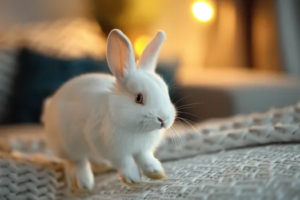
How to Schedule Breeding Buck Mating Reasonably?
Beyond the buck's own fertility, scheduling his matings well is key to raising conception. Today we discuss how to schedule buck mating reasonably.

What Causes Doe Miscarriage and How to Prevent It?
Owners may assume miscarriage means illness, but it also ties to nutrient lack and poor feeding. This article explains the causes.

Rabbit Blood-Mating Technique
Blood-mating breeds a doe 12-24 hours after birth to raise litter rate, but only for strong does with few kits; match age, season, and nutrition, and avoid it for breeding-stock or weak animals.