Search Results
28 results for “maternal instinct”
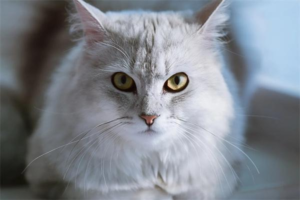
Does a Mother Cat Remember Her Kittens Forever?
A mother cat does not necessarily remember her kittens forever — it depends on separation time, environmental change, and household changes. Keeping the household stable and maintaining regular interaction between mother and kittens can deepen their bond and memory. A few simple habits help a mother cat keep recognizing her young.

What Kinds of Cats Are the Most Affectionate
Cats have a reputation for being aloof, so when one chooses to cuddle and beg for attention it feels like a real win. Affection shows up as following you room to room, jumping on your laptop, sleeping in your bed, sitting on your lap, meowing or pawing for notice, and rubbing its face on you. Male cats tend to be cuddlier than females because they act on instinct and, after neutering, pour that need for contact onto their owner. Breeds like American Shorthair, Ragdoll, Maine Coon, and Siamese lean affectionate. Build trust by meeting the cat's needs and respecting its space, but beware over-dependence: too much clinginess can become separation anxiety, a real stress disorder worth managing.
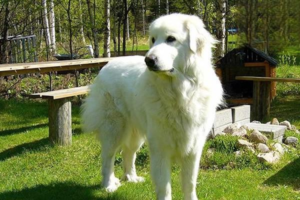
Physiological Traits of Newborn Puppies
Newborn puppies are fragile and depend entirely on their mother. They can't stand at birth, regulate their own temperature, or control elimination, and their digestive and immune systems are still developing — they get early immunity only from the mother's colostrum, which drops sharply after 25 days. Good daily care means a warm, quiet nest, supplemental warming if the mother is absent, scheduled nursing with small frequent milk feeds, and daily checks of elimination. Watch for diarrhea and keep the umbilical area clean and disinfected with iodine to prevent infection.

Decoding Cat Behavior
A cat's 'disgusted' face is the Flehmen response sniffing pheromones; purring eases pain and heals bone; a love-bite means 'stop'; cats know their name but often ignore it; and knocking things over is attention-seeking or hunting practice. Reading these cuts the confusion.

Is It Normal for a Puppy to Eat Poop?
Puppy poop-eating is harmless but unhelpful. It can be a habit, a nutrient gap, or hunger. Find the cause and address it — correct the habit, treat gut issues, feed on schedule, and balance nutrition.
Why is my dog so aggressive during lactation (nursing)?
A dog turning aggressive after giving birth is mainly a protective instinct over her puppies. Even the owner may be bitten if they touch the pups, so avoid handling them. Move the mother away to clean the puppies, and wear gloves if you must touch them.

6 Boundaries You Should Never Cross With Your Dog
Even the gentlest, best-trained dog has boundaries, and crossing them can trigger a sudden, even aggressive, reaction. The six most important ones are: invading its territory before trust is built, harming its puppies, suddenly frightening it, kicking its belly, seeing its owner get hurt, and provoking its pride.
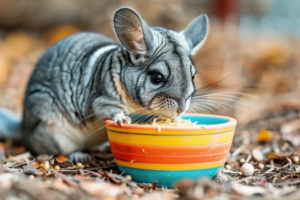
Hamster Breeding Characteristics
Hamsters breed early, have short reproductive cycles, large litters, and strong parenting instincts — in short, they are highly prolific. Because they breed readily and have no sense of inbreeding, leaving males and females together once they are old enough leads to inbreeding and overbreeding that harms their health. Owners should understand these traits and manage them with separate cages.
- « Previous
- 1
- 2
- 3