Search Results
1892 results for “male female”

What Causes Cardiomyopathy in Cats
Most feline cardiomyopathy is genetic, but taurine deficiency and hyperthyroidism are proven links. Learn the known causes — and why limiting tuna and adding taurine lowers the risk.

Understanding Pet Diabetes: Symptoms & Treatment in Dogs and Cats
Diabetes in pets is mostly primary (beta-cell damage) and shows as eat-more/drink-more/urinate-more/weight-loss. Management needs insulin, glucose-lowering drugs, fluids, diet, and infection control; prevention is fiber, exercise, and regular glucose checks.

Why Dogs Develop Dilated Cardiomyopathy
Dilated cardiomyopathy in dogs has four main causes — genetics, nutrient deficiency, viruses or parasites, and low thyroid hormone. It is hard to cure, so early diagnosis and careful management matter most. Here is what every owner should know.

Introduction to Pet Hamster Breeds
There are many hamster breeds and looks can mislead; some pretty ones are hard to keep. This covers three common types: the Campbell's, three-lined hamster, the Roborovski hamster, and the Syrian, teddy bear hamster, with their size, origin, and temperament.
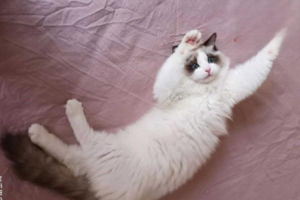
Does Stud Tail Recur and How to Prevent It
Stud tail tends to recur because it is hormone-driven; without fixing the hormonal source, treatment drags on. Prevention centers on appropriate bathing, regular grooming, neutering, and early topical medication.

What Causes Stud Tail in Cats?
Stud tail is an endocrine skin condition in cats—excess male hormones drive oily blackhead-like lesions on the tail base, chin, and back. Learn the causes, common breeds, and prevention (neutering, diet, exercise, cleaning).
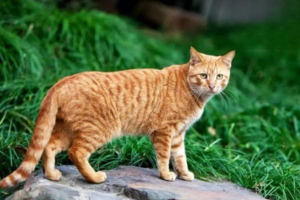
What Are the Symptoms of Stud Tail in Cats?
Stud tail looks like blackheads on a cat's tail base, with greasy matted fur and a foul waxy buildup, and can progress to infection. This article covers its causes, symptoms, and treatment plus prevention.

Leaving Stud Tail Untreated Can Lead to Cellulitis
Untreated stud tail in cats can progress from blackheads to folliculitis and even cellulitis—painful, spreading skin infection. This article explains the risk and the treatment steps (cleaning, antibiotics, neutering).

Why Is Your Rabbit Not Eating? Common Causes
A rabbit that stops eating can signal seasonal boredom, a sudden food change, breeding period, bloating, or pregnancy. This article lists the main causes and the practical responses for each.

What Is Stud Tail in Cats and How to Treat It
Stud tail (tail gland hyperplasia) is an oily, acne-like skin condition in cats caused by hormone-driven sebum overproduction—common in intact males. Learn its causes and the treatment approach: neutering, antibiotics, and topical cleaning.